
OpenAI has reportedly acquired Glass Imaging, a smartphone camera technology company, in a deal worth more than $300 million, according to The Wall Street Journal. The move would give OpenAI access to technology designed to improve the quality of photos taken with smartphones, as well as a team with experience working on some of Apple’s most important camera features. Glass Imaging was founded in 2019 and is based in Los Altos, California. Before the reported acquisition, the company had raised around $30 million from investors as it worked on developing new ways to improve smartphone photography through artificial intelligence.
Glass Imaging was founded by Ziv Attar and Tom Bishop, two former Apple engineers who previously worked on the team responsible for developing Apple’s Portrait Mode. Their experience at Apple is particularly important because it connects directly to the technology Glass Imaging has been developing. Instead of relying only on larger camera hardware to improve image quality, the company has focused on using AI to help smartphone cameras produce better results despite the physical limitations of having a relatively small camera inside a phone.
The idea behind Glass Imaging’s technology is different from the way many people normally think about AI photography. AI is often used after a photo has already been taken, for example, to remove unwanted objects, improve lighting, sharpen details or change parts of an image. Glass Imaging has been working on a different approach that brings AI into the image capture process itself. Its neural networks are designed to understand the characteristics of individual camera systems, including the different cameras and sensors used across various smartphone models. This allows the technology to process information from the camera in a way that can produce a better image from the moment the shutter is pressed.
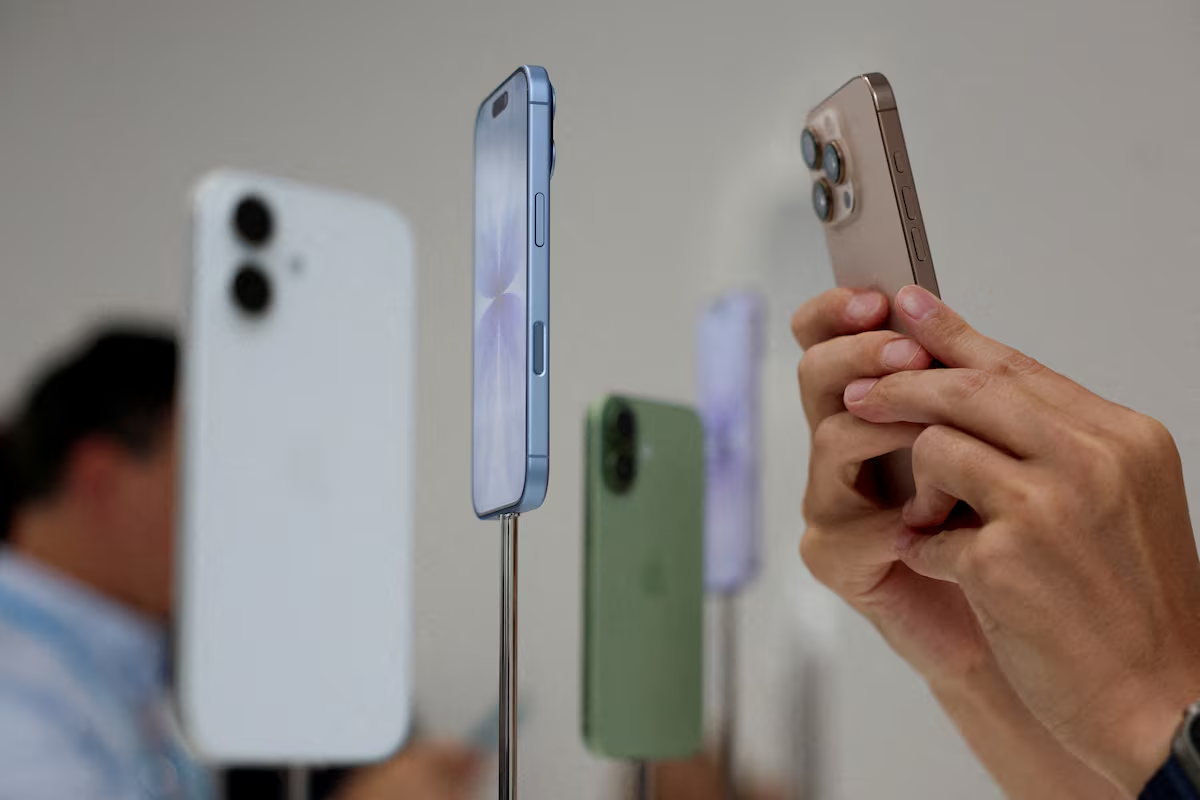
That approach could become particularly valuable as smartphone manufacturers continue to face physical limits in camera development. Modern phones already have multiple cameras, advanced sensors and increasingly sophisticated image processing, but there is only so much hardware that can fit inside a slim smartphone. Larger professional cameras can use bigger lenses and sensors, while smartphones have to balance camera performance with size, battery life, weight and overall design. Glass Imaging has been attempting to use AI to close some of that gap, allowing software and neural networks to help smartphones get more out of the hardware they already have.
The company’s founders also bring significant experience from Apple. Attar and Bishop previously worked on technology behind Portrait Mode, a feature that became one of the major developments in smartphone photography by allowing users to create images with a blurred background that resembles the look of photos taken with professional cameras. Their work at Glass Imaging builds on that experience by exploring how computational photography and AI can be used to improve the entire image-capture process rather than simply adding effects to a completed photograph.
The reported acquisition also fits into a much bigger direction for OpenAI. The company is best known for ChatGPT and its artificial intelligence models, but it has increasingly shown interest in areas beyond traditional software. Hardware could eventually become an important part of how people interact with AI, particularly if OpenAI develops devices that are designed around its AI systems rather than simply placing an AI assistant inside existing products.
OpenAI is reportedly exploring different types of consumer hardware, including smartphones, earbuds and AI companion devices. Bringing Glass Imaging into the company could therefore provide expertise that becomes useful if OpenAI eventually introduces a device with an advanced camera system or develops technology that relies heavily on visual AI. A camera could be an important part of an AI device because it allows the system to understand what is happening around the user and interact with the physical world through images.
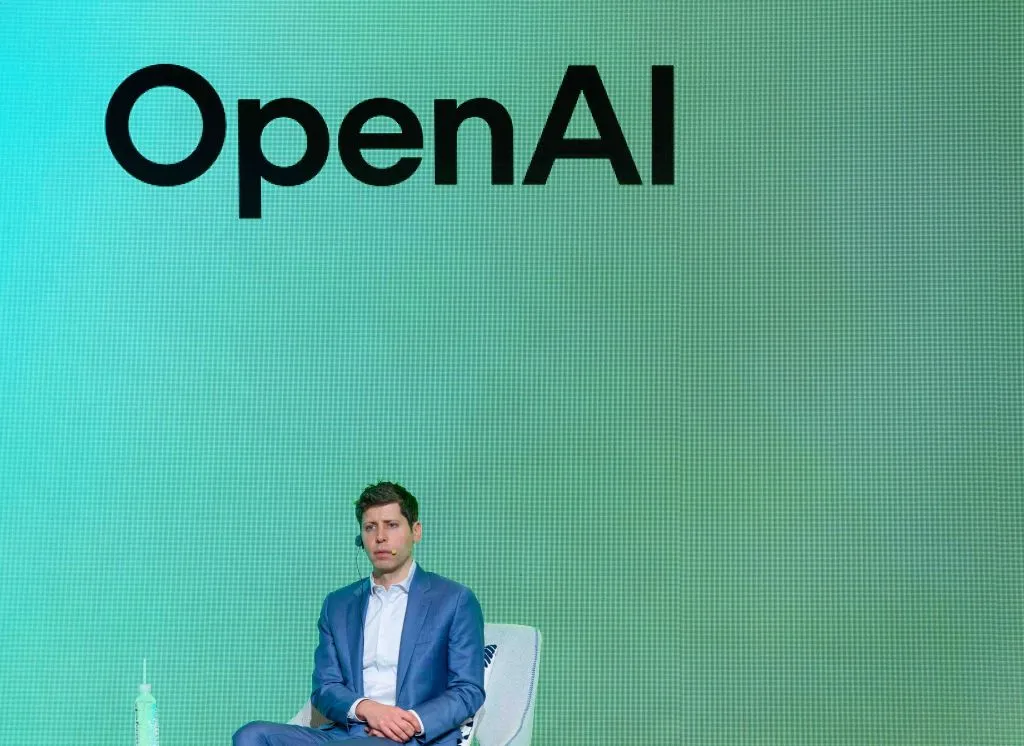
The reported deal also comes after OpenAI made another major move into hardware through its relationship with Jony Ive, the former Apple design chief. In 2025, OpenAI CEO Sam Altman and Ive revealed that they had been working together on a new device startup called io. OpenAI later acquired Ive’s company in a deal valued at $6.5 billion. That agreement represented one of OpenAI’s biggest steps toward developing its own consumer hardware ecosystem.
The Glass Imaging acquisition would add another piece to that broader hardware strategy. While Glass Imaging is focused specifically on camera technology, its expertise could be useful for future devices that need to capture, understand and process visual information. It also gives OpenAI access to engineers who have already worked on advanced smartphone photography at one of the world’s most influential technology companies.
For OpenAI, the reported purchase could therefore be about much more than simply improving smartphone cameras. AI-powered photography is already an important part of modern smartphones, with companies using machine learning to improve low-light images, zoom, portraits, colors, sharpness and other aspects of photography. Glass Imaging’s approach could give OpenAI another way to compete in this area by making AI part of the camera system itself.
The reported $300 million-plus price tag also highlights how valuable camera and computational photography technology has become. Smartphone cameras have evolved from being a secondary feature into one of the main reasons people choose one phone over another. Consumers increasingly expect their phones to produce high-quality photos and videos in difficult conditions, including at night, from far away and in scenes with challenging lighting. As hardware improvements become more difficult and expensive, AI offers manufacturers another route to making cameras perform better.
Glass Imaging had previously attracted around $30 million in investment, showing that investors had already placed significant value on its technology before the reported OpenAI acquisition. The company’s work has also been connected to smartphone camera technology used in commercial devices, demonstrating that its research was moving beyond the laboratory and toward real-world applications.
OpenAI has not immediately responded to requests for comment about the reported acquisition. As a result, details about exactly how Glass Imaging’s technology will be integrated into OpenAI’s products remain unclear. It is also not yet known whether the Glass Imaging team will work directly on a future OpenAI smartphone, camera system or another type of hardware product.
Still, the acquisition adds to the growing signs that OpenAI wants to have a presence in the physical devices people use every day. If the company eventually launches its own hardware, camera technology could become an important part of that experience, particularly if OpenAI wants its devices to understand the environment around users and respond to what they see.
For now, the reported purchase gives OpenAI control of a company whose technology is built around one of the biggest challenges in smartphone photography: how to produce increasingly impressive images without making phones significantly larger. By combining Glass Imaging’s camera expertise with OpenAI’s broader AI capabilities, the company could be positioning itself to develop new ways of bringing artificial intelligence directly into the way images are captured.
The deal also shows how the boundaries between AI software, smartphone technology and consumer electronics are becoming increasingly blurred. OpenAI started primarily as an AI research and software company, but its reported investment in Glass Imaging, alongside its work with Jony Ive and io, suggests that its ambitions may extend well beyond the screen. If those hardware plans eventually become products consumers can buy, camera technology could be one of the areas where OpenAI attempts to make its devices stand out.