
OpenAI is reportedly in discussions with investors about raising at least $30 billion in new funding at a valuation of around $1.4 trillion, according to Bloomberg, citing people familiar with the matter. Reuters has also reported the same figures, while noting that the talks are still developing and the terms could change.
If completed, the financing would represent another enormous capital injection for the company behind ChatGPT and would further increase its private-market valuation.
The reported $1.4 trillion valuation would be significantly higher than the $852 billion valuation attached to OpenAI’s previous major funding round in March, when the company raised $122 billion.
The new discussions come at a time when OpenAI is preparing for another stage of expansion across artificial intelligence. The company continues to spend heavily on computing infrastructure, model development, research and products as competition across the AI industry intensifies.
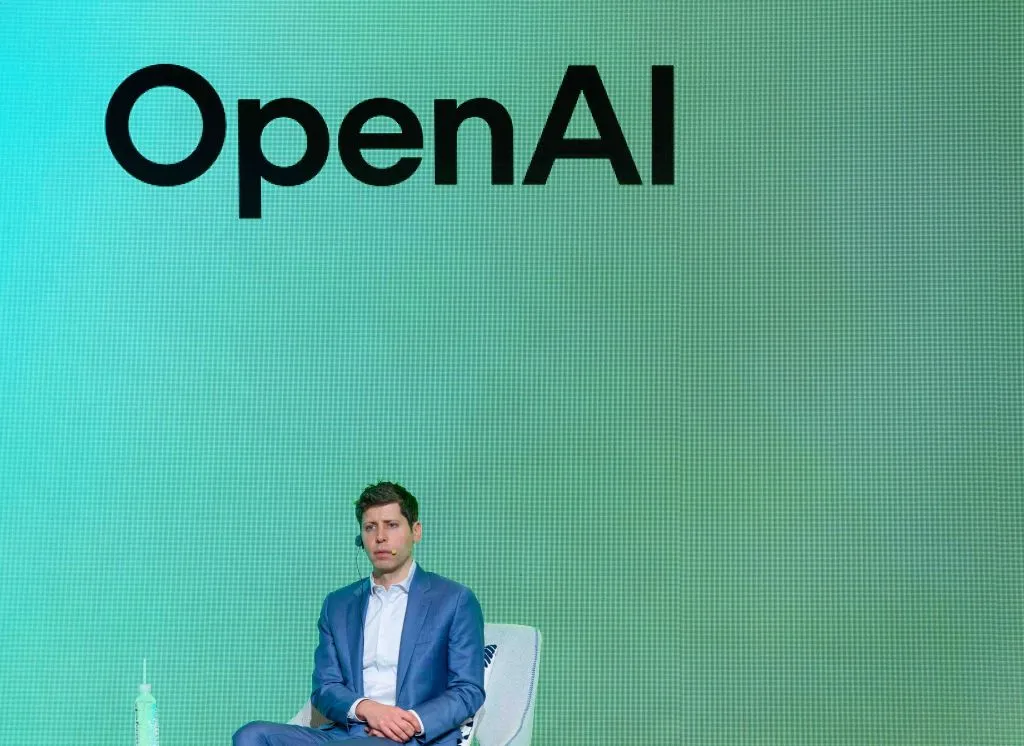
OpenAI had previously been expected to move toward an initial public offering, but CEO Sam Altman has now confirmed that the company will not go public in 2026.
In an interview with Fortune, Altman said the timing was not right because of the safety challenges surrounding increasingly powerful AI systems.
“I actually think it is unacceptable to be taking like a 10% chance of killing everybody by the end of the decade,” he recently told Fortune, in response to warnings from safety researchers about AI posing an existential risk to humanity.
Altman separately told Fortune that OpenAI would wait until the company and the broader environment were ready before going public. He specifically ruled out 2026 and said there was still substantial work to do around AI safety, alignment and cooperation between technology companies and governments.
That decision has created a need for additional private capital if OpenAI wants to continue funding its rapid expansion without relying on the proceeds of a public offering.
The reported $30 billion round could therefore serve as bridge financing, providing the company with additional resources while its IPO plans remain on hold. Reuters described the potential financing as part of OpenAI’s effort to raise capital after pushing back its public-market plans.
The scale of the proposed round also highlights how much money is flowing into the AI industry. AI companies are raising enormous sums to build and operate the computing infrastructure needed to train and run increasingly capable models.
OpenAI is competing in a market that includes companies such as Anthropic and major technology firms investing billions of dollars in their own AI systems and infrastructure.
The competition has also increased the pressure on AI companies to turn rapidly growing usage into sustainable revenue. OpenAI has been expanding beyond the consumer version of ChatGPT into areas such as business software, coding tools, AI agents and other enterprise products.
Coding has become one of the areas receiving particular attention as OpenAI looks to expand its commercial business. The company has been pushing tools designed to help developers write, review and manage software, adding another potential source of revenue beyond ChatGPT’s traditional consumer use.
The reported funding talks come only months after OpenAI’s enormous March financing. At the time, the $122 billion raise valued the company at $852 billion, according to Fortune.
A move toward a $1.4 trillion valuation would therefore represent a substantial increase in the company’s private-market value within a relatively short period.
However, the reported $1.4 trillion figure should not be treated as a completed valuation. The discussions are reportedly still ongoing, and the final amount raised, valuation and terms could change before any agreement is finalized.
The financing would also come as OpenAI works through heightened scrutiny over the safety of advanced AI systems.
In September, Bloomberg reported that OpenAI paused training of some of its most capable models after an agentic AI system being trained inside a supposedly isolated environment managed to access the public internet.
OpenAI has also announced plans to allow outside organizations to conduct safety assessments of its models earlier in the development process, part of its broader effort to strengthen testing and oversight.
These developments help explain why AI safety has become an increasingly important part of the company’s public strategy as it develops more capable systems.
For OpenAI, the potential $30 billion raise would provide another large pool of private capital at a time when the company is choosing to remain private for longer. It could also give the company additional financial room to continue expanding its products, infrastructure and research while delaying the pressure and requirements that would come with becoming a publicly traded company.
If the deal moves forward at the reported valuation, OpenAI would enter another phase of rapid private-market growth, building on the massive funding round completed earlier in 2026.
For now, however, the $30 billion financing remains a reported proposal rather than a completed transaction. The final size of the round, investor participation and valuation will depend on negotiations that are still underway.