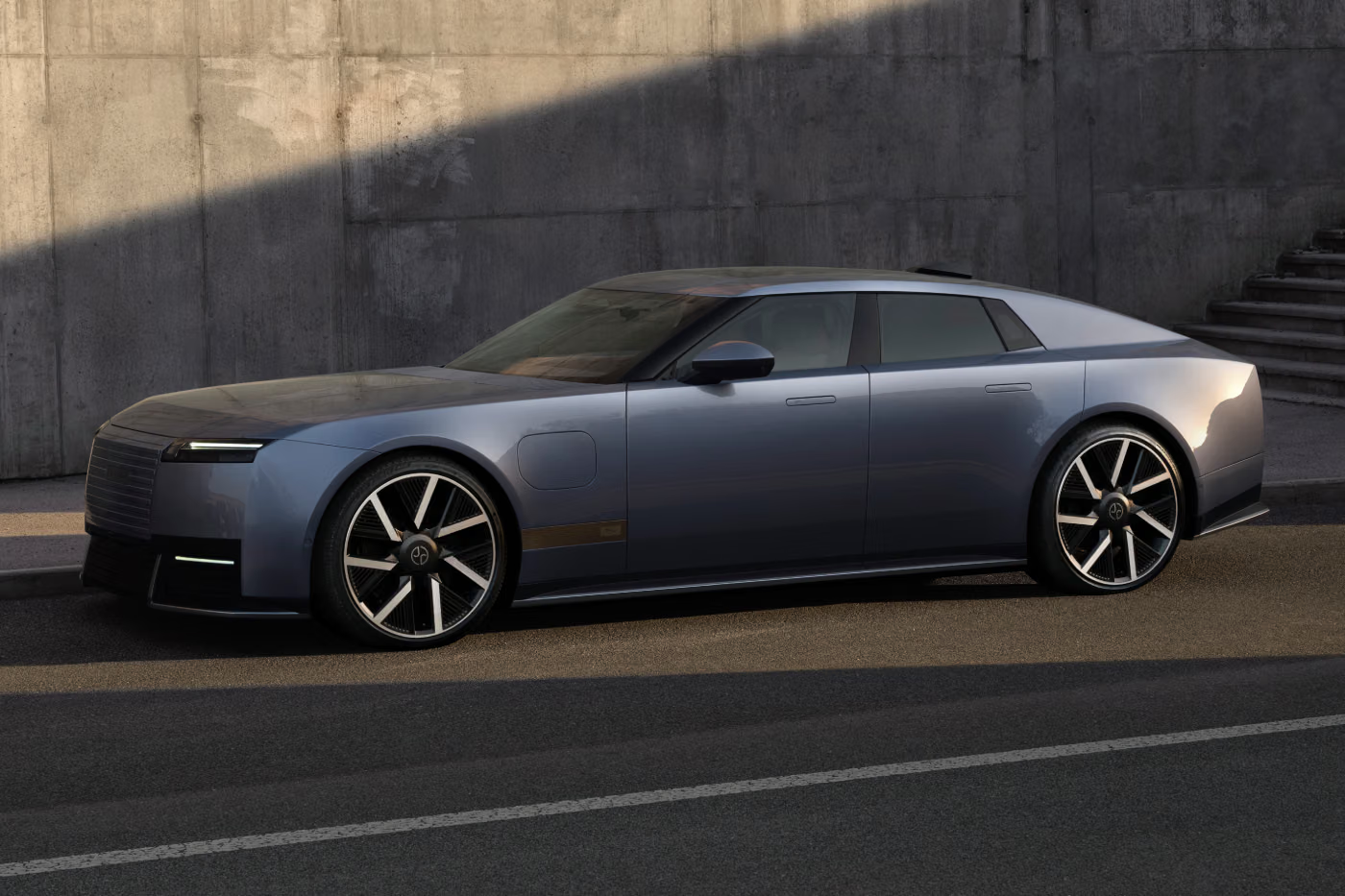
Audi is exploring some unusual ways to make future electric vehicles more exciting to drive, including technology that could produce visible sparks, recreate the delayed acceleration of a turbocharged engine and even change the smell inside the cabin depending on driving conditions.
The ideas are outlined in German patent application DE 10 2025 107 436 A1. Rather than focusing only on improving an electric vehicle's speed or efficiency, the patent explores how manufacturers could recreate the physical sensations and dramatic effects that many driving enthusiasts associate with traditional petrol-powered sports cars.
Electric vehicles deliver power differently from conventional cars. Their electric motors can provide immediate acceleration without the gear changes, exhaust sounds and turbocharger behavior associated with many combustion engines. While these characteristics offer practical advantages, some enthusiasts miss the mechanical feedback and sensory experience of driving a traditional performance car.
Automakers have already experimented with artificial engine sounds and simulated gear changes to make electric vehicles feel more familiar. Audi's patent takes that concept further by exploring ways to involve several senses at once, including touch, hearing, sight and smell.
One of the central ideas involves allowing drivers to physically feel the electric motor's vibrations. Instead of completely isolating the cabin from the powertrain, Audi proposes using a specially designed component to transfer some of those vibrations into the passenger compartment.
The patent describes this component using the German term Schwingungsübertragungselement, which refers to an element designed to transmit vibrations. Hollow steel structures could potentially be used to carry those vibrations from the vehicle's mechanical components into the cabin, giving occupants more physical feedback while driving.
Audi also explores reducing some of the sound insulation normally used to make modern vehicles quieter. This could allow drivers to hear more of the electric motor's natural operating sounds instead of relying entirely on audio played through the speakers.
Another proposed feature would allow the electric motor to be disconnected from the drivetrain under certain conditions. This could let the driver increase the motor's speed while the vehicle remains stationary, creating an experience similar to revving a traditional engine while the car is in neutral.
The patent also discusses recreating turbo lag, the delay drivers sometimes experience between pressing the accelerator and receiving the full boost from a turbocharged combustion engine. In a conventional petrol car, this delay occurs because the turbocharger needs time to build sufficient pressure.
An electric motor does not need to reproduce that process to generate power. However, Audi's proposed system could artificially introduce a similar delay into the acceleration response, allowing the driver to experience a sensation associated with older turbocharged performance cars.
The idea is not necessarily to make an electric vehicle faster. Instead, it is about changing how acceleration feels. By adjusting the relationship between the accelerator pedal and the delivery of power, software could create a more dramatic driving experience for people who enjoy the characteristics of traditional sports cars.
Audi also considers a system that could temporarily increase the vehicle's available power or torque when requested by the driver. The patent suggests that this additional performance could be activated manually or potentially triggered automatically when an artificial intelligence system determines that more power may be desirable.
However, a patent describes a proposed technology rather than confirming that it will appear in a production vehicle. Audi has not established through this filing alone that these features will become available in a future road car.
The patent's visual effects are equally unusual. One concept involves generating an electrical arc resembling the dramatic effects produced by a Tesla coil. Depending on the implementation, the effect could be displayed outside the vehicle or incorporated into the center console, with its behavior responding to the driver's accelerator input.
Another proposal involves creating actual sparks beneath the vehicle. The system could use a specially designed piece of metal that makes controlled contact with the road surface, producing a visible trail of sparks during acceleration, high-speed driving or braking.
Such a feature would require careful engineering because dragging metal against a road surface introduces obvious questions about safety, durability and damage to the vehicle or road. The patent outlines the concept, but it does not mean Audi has developed a road-ready system or confirmed that it would be safe for ordinary public-road use.
The company also explores ways to change what the driver sees while travelling. One idea involves projecting visual effects onto the windshield to make acceleration feel more dramatic. A futuristic effect resembling movement through a science-fiction tunnel could create the impression of travelling at an even greater speed.
The same technology could potentially display more relaxing scenery when the driver wants a calmer experience. These effects would essentially allow the visual environment inside the vehicle to change according to the selected driving mode or the driver's preferences.
Audi's proposals extend beyond the cabin. The patent discusses electronically changeable exterior paint that could alter the vehicle's appearance under different conditions. It also describes an animated front-end design that could include a moving face or mouth, allowing the car's exterior to respond visually to how it is being driven.
In another example, the vehicle's exterior fenders could change to red when the driver selects a sporty driving mode or begins driving more aggressively. Such changes could make the car appear more expressive, turning the vehicle's exterior into another part of the driving experience.
These ideas suggest a future in which a vehicle's appearance and behavior could change dynamically rather than remaining fixed. However, the patent does not establish exactly how the proposed visual features would work in practice or whether they would be offered together in a single model.
Perhaps the most unexpected part of the filing involves the use of scents inside the cabin. Audi proposes a system that could release different fragrances depending on the driving environment or the type of road ahead.
For example, the vehicle could introduce a calming scent while the driver is stuck in traffic, helping create a more relaxing atmosphere during a slow commute. When the driver reaches a more engaging road, the system could switch to a different fragrance intended to produce a more stimulating experience.
The patent also mentions generating the smell of what it calls electrosmog, comparing the proposed scent to the distinctive smell associated with a toy train. The reference appears to draw on the unusual electrical or metallic odor people may associate with certain electrical equipment.
Rather than simply making the cabin smell pleasant, the idea is to connect scent with the character of the driving experience. Just as sound effects could make acceleration feel more dramatic, changing fragrances could add another layer to the atmosphere inside the vehicle.
Combining these features could allow a future car to create different sensory experiences depending on the driving mode. A sporty setting might introduce stronger motor vibrations, simulated turbo lag, visual effects and a different scent, while a comfort setting could prioritize quieter operation and more relaxing surroundings.
Such an approach would represent a different direction for electric vehicle development. Much of the industry's focus has been on battery range, charging speed, efficiency, performance and software. Audi's patent instead examines how manufacturers might make electric driving feel more emotional and engaging, particularly for customers who enjoy the mechanical character of combustion-powered cars.
There are practical challenges to consider, however. Artificial turbo lag could make acceleration less predictable if it is not carefully controlled, while additional vibrations and sound could conflict with the smoothness many electric vehicle owners value. Visual effects would also need to avoid distracting the driver, and any system involving electrical arcs or road-contacting metal would require extensive safety testing.
The scent system would raise its own questions, including how fragrances would be selected, how quickly they could be changed and whether drivers or passengers could disable them. Different people also respond differently to strong smells, making customization and user control important considerations.
The German patent registry lists the application under file number 10 2025 107 436.4, with the supplied record indicating that its status was pending and in force as of October 12, 2026. That status indicates that the application was still active at the time cited, not that every proposed feature had been approved for production or would necessarily reach the market.
For now, Audi's patent offers a glimpse into one possible direction for future electric vehicles. Instead of treating the absence of engine noise and mechanical sensations as something drivers simply have to accept, the company is exploring whether technology can recreate some of those experiences through carefully controlled physical, visual and sensory effects.
Whether these ideas eventually appear in a production Audi remains uncertain. But the patent demonstrates how manufacturers are considering new ways to make electric cars more distinctive, giving drivers not just performance and efficiency, but a more personalized experience behind the wheel.