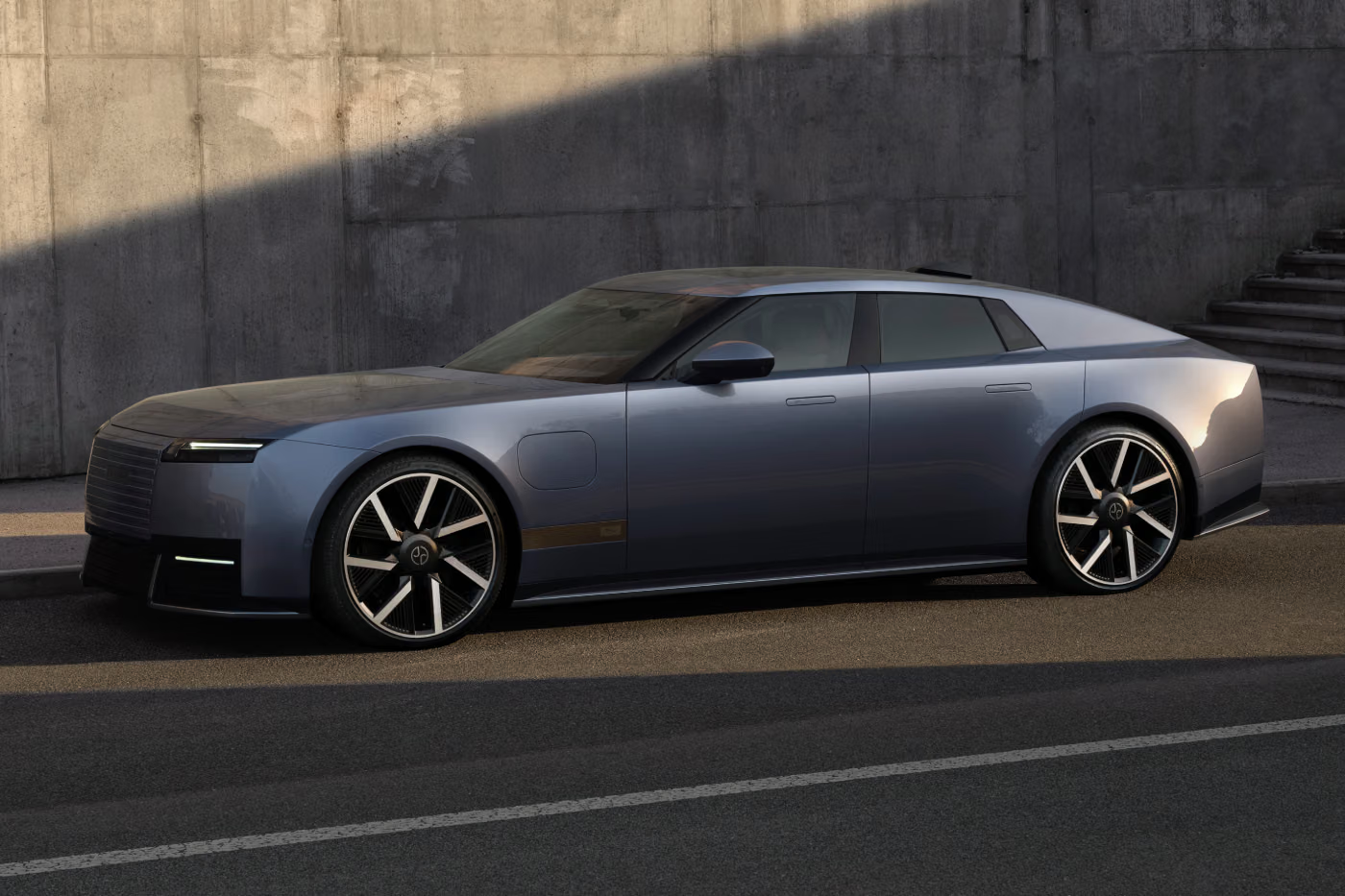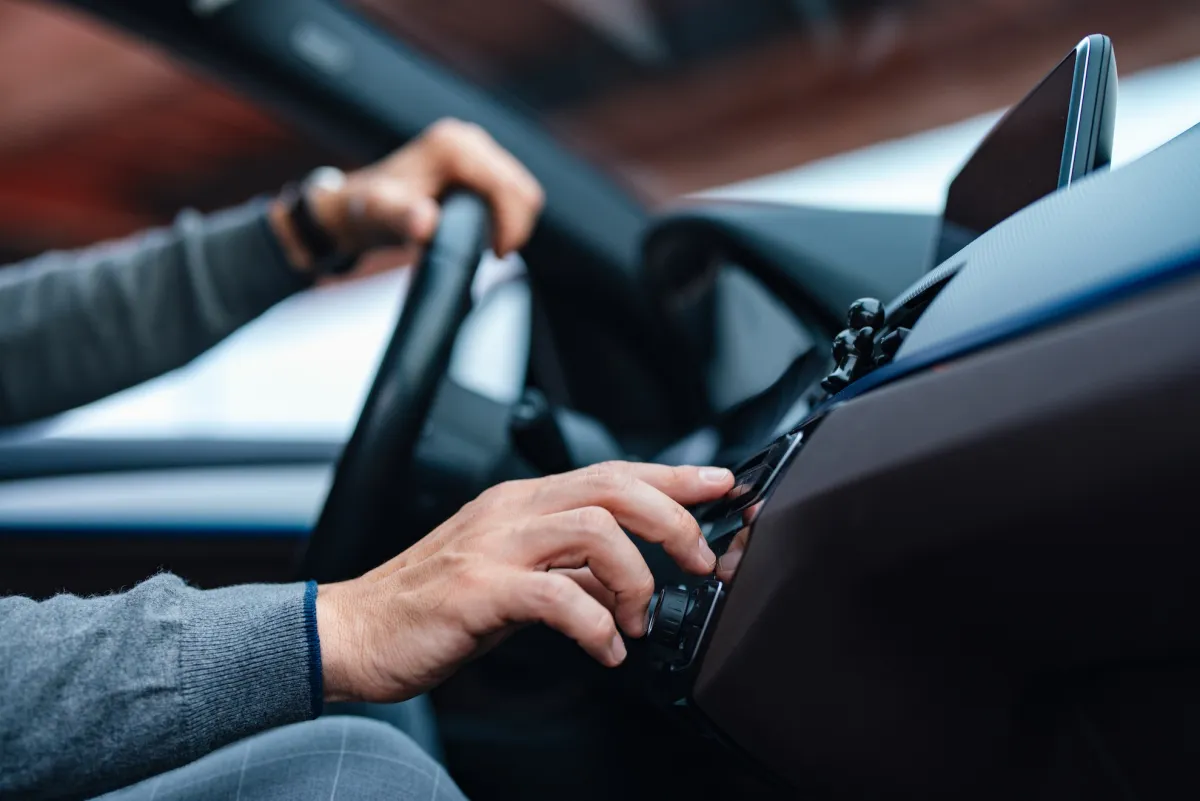

US automakers could soon be required to include AM radio in new vehicles at no additional cost to consumers after the House of Representatives passed legislation aimed at keeping the decades-old broadcast technology available in new cars.
The House passed the AM Radio for Every Vehicle Act on September 15, 2026, sending the legislation to the Senate. The bill would require the U.S. Department of Transportation to establish rules requiring devices capable of receiving AM broadcasts to be included as standard equipment in new passenger vehicles.
Under the proposed law, AM radio access would have to be included in the base price of the vehicle rather than offered as a paid option. The legislation would apply to passenger vehicles manufactured in the United States, imported into the country or shipped across state lines.
The bill has gained support from lawmakers in both political parties, as well as broadcasters and emergency response organizations. Supporters argue that AM radio remains useful during emergencies because broadcasts can reach large areas and can continue providing information when other communication systems are disrupted.
The Senate version of the legislation is backed by Democratic Senator Ed Markey of Massachusetts and Republican Senator Ted Cruz of Texas. The two senators secured 60 Senate co-sponsors earlier this year, while the legislation also passed the Senate Commerce Committee in February 2025.
Cruz and Markey welcomed the House vote in a joint statement.
“This vote sends a clear message to car manufacturers that AM Radio is a lifeline that must be protected in new vehicles. From emergency response to sports, entertainment, and news, AM radio is an essential communication tool for tens of millions of Americans. It is now time for the Senate to pass the AM Radio for Every Vehicle Act and for this legislation to become law so AM radio remains a trusted and essential resource for commuters and communities across the country.”
The push to preserve AM radio comes as several automakers have moved away from traditional AM receivers. BMW, Rivian, Tesla and Volvo are among the companies that have removed or reduced support for conventional AM radio in some vehicles, while Ford previously removed it from certain models before reversing that decision.
Electric vehicles have been a major part of the debate because their electric motors and other systems can create electromagnetic interference that affects AM signals. Automakers have argued that this can reduce sound quality and make traditional AM reception less reliable.
Tesla, for example, does not include AM receivers in the base versions of its Model 3 and Model Y. Rivian's newer R2 SUV also does not include traditional AM or FM receivers, although it offers access to AM/FM programming through the digital iHeartRadio platform at no additional cost.
Rivian's R1S and R1T models similarly provide access to FM content digitally or through built-in radio hardware. Tesla could not be reached for comment, while Rivian declined to comment on the legislation.
The proposed law does not simply focus on traditional analog AM receivers. The House-passed version allows automakers to meet the requirement with technology capable of receiving AM broadcasts, including digital AM broadcasts, as long as drivers can easily access the stations.
The legislation also gives the Department of Transportation time to study potential effects on vehicle technology and safety before issuing the required rules. The department would have up to one year after the law is enacted to issue the rule, while the rule's effective date would generally be no more than two years after it is issued.
Until the new requirement takes effect, the bill would also require manufacturers that sell vehicles without AM access to clearly inform buyers that the feature is missing. Automakers would not be allowed to charge a separate fee for AM access during that interim period.
The legislation still needs to pass the Senate and receive presidential approval before it can become law. If enacted, it would represent a significant change for automakers that have increasingly shifted from traditional broadcast receivers toward streaming and digitally delivered audio services.
For now, the House vote moves the proposal another step forward, but AM radio's return as standard equipment in new American vehicles will depend on what happens next in the Senate.