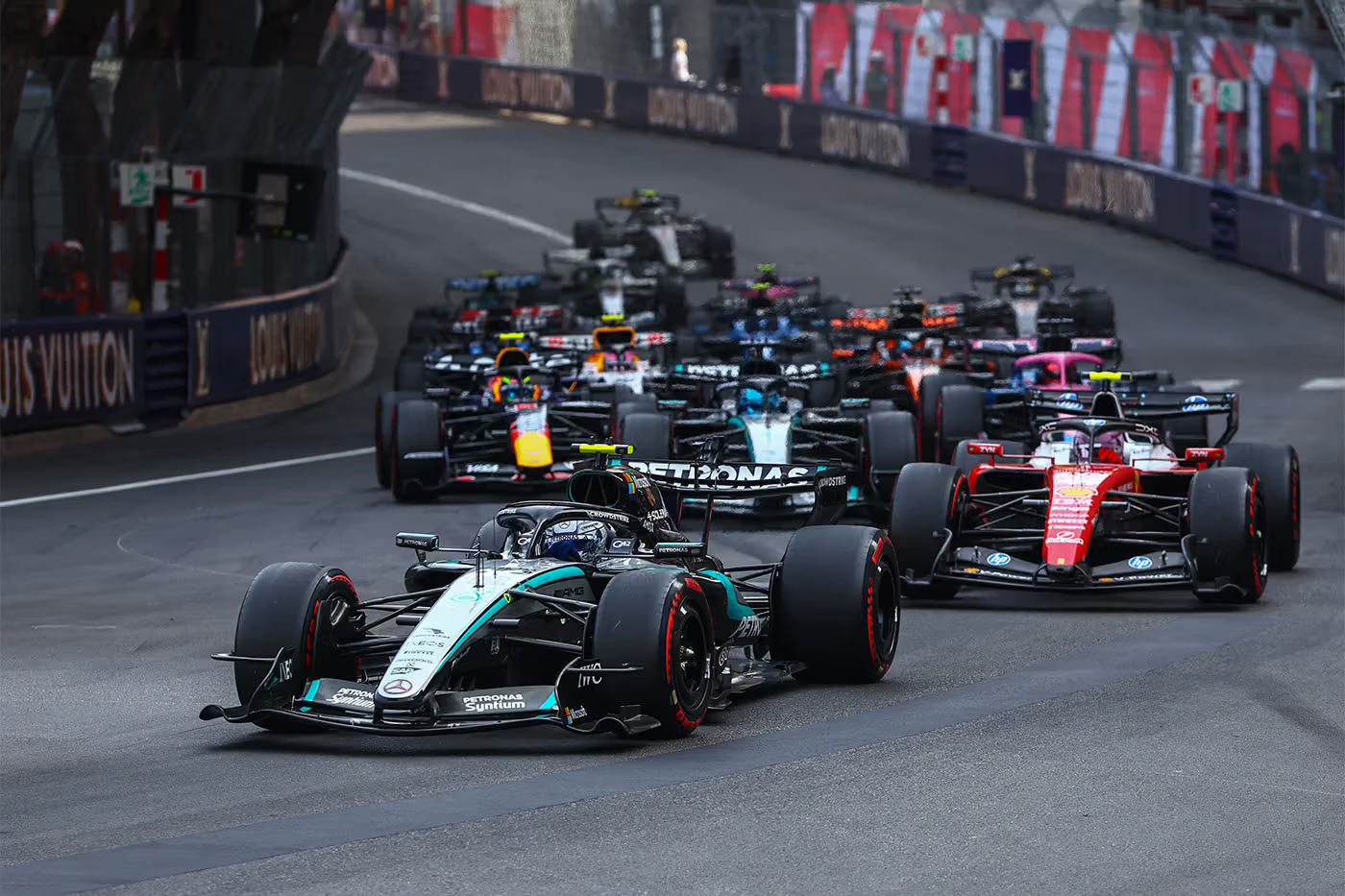

Formula 1 is preparing for another major change to its engine regulations, with the sport planning to bring back V8 power units for the 2030 season.
The proposed regulations would move F1 away from the engine setup planned for 2026 and introduce a three-liter turbocharged V8. The change comes after concerns surrounding the direction of the sport’s next generation of power units and pressure to make the cars lighter and more enjoyable to drive.
The 2030 plans would represent another significant change for Formula 1, particularly because the 2026 regulations have already attracted new manufacturers such as Audi, Cadillac and Ford to the championship.
Rather than completely abandoning electrification, however, the proposed V8 system would continue to use hybrid technology. The difference would be a smaller battery paired with a 134-horsepower electric motor.
A major goal of the new regulations is to reduce the overall weight of the power unit. Formula 1 is targeting a reduction of around 110 pounds, addressing one of the biggest concerns surrounding the heavier machinery expected under the 2026 rules.
The 2026 power units have a minimum weight of around 407 pounds, contributing to the increasing overall weight of modern F1 cars. The planned 2030 design is intended to make the power unit considerably lighter while still delivering substantial performance.
The return to V8 engines would also reconnect Formula 1 with a familiar part of its history. V8 engines were last used as the sport’s standard power units from 2006 through 2013.
Those naturally aspirated V8s produced more than 750 horsepower before Formula 1 moved to the turbocharged hybrid era in 2014.
The proposed 2030 engines would take the V8 concept in a very different direction. Instead of returning to the naturally aspirated engines of the past, the new units would use turbocharging and modern technology to push output beyond 1,000 horsepower.
That would make the proposed V8s significantly more powerful than the engines used during the previous V8 era.
Formula 1 is also considering additional ways to make that power more useful during races. One possibility being discussed is an overtaking system similar to the push-to-pass technology used in IndyCar.
Such a system could give drivers an additional burst of performance when attempting to overtake, potentially adding another strategic element to races.
The engine design is also being developed around modern environmental and noise restrictions. The proposed 2030 turbocharger would be smaller than the forced-induction system used under the current generation of regulations.
The smaller turbocharger is not simply about performance. Its design would also help Formula 1 deal with noise regulations at some of the street circuits on the calendar.
Modern race venues increasingly operate under strict limits on engine noise, making it difficult for Formula 1 to increase sound levels without running into restrictions.
As a result, the turbocharger would also serve an unusual secondary purpose by helping to reduce some of the exhaust noise. The turbine positioned within the exhaust system would effectively act as a form of muffler.
Despite that design, the new V8 engines are still expected to sound louder than the current power units.
If the plans move forward, the 2030 regulations would represent another major evolution in Formula 1's approach to performance, electrification, weight and engine design.
The proposed package would attempt to combine the character of a V8 engine with modern hybrid technology, while also delivering more than 1,000 horsepower and reducing the weight of the cars.
For Formula 1, the challenge will be balancing those performance goals with the technical, environmental and commercial requirements that come with running a modern global championship.