Google has officially released Android 17 alongside Wear OS 7 for smartwatches, marking its latest major software update across devices. The rollout begins with Pixel phones and is paired with a new Pixel Drop that introduces several AI-powered features, including support for advanced models such as Lyria 3 for music generation, Gemini Omni for multimodal tasks like video editing through conversation, and AudioLM-based speech-to-translation tools for supported Pixel devices.
The latest update reflects Google’s ongoing strategy of positioning Android and Pixel devices as the main showcase for its artificial intelligence technology. While Apple is preparing its own AI push with updates to Siri and iOS 27, Google is moving ahead by deeply integrating its Gemini models into everyday device functions, focusing on creativity, communication, and productivity.
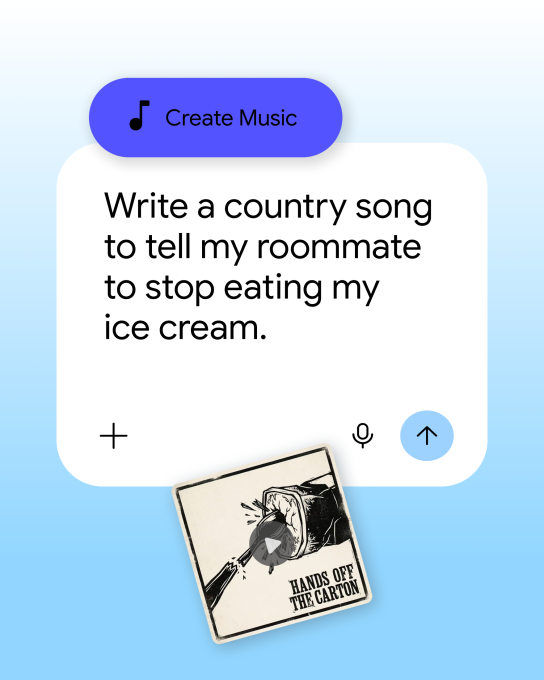
In this Pixel Drop, Android’s Quick Share feature now works with Apple’s AirDrop on older Pixel 8a and Pixel 9a devices, improving cross-platform file sharing. Gemini Omni also gains the ability to edit videos through natural conversation, while Lyria 3 allows users to generate full music tracks using either text prompts or images inside the Gemini app. Meanwhile, Pixel 10a users are getting more advanced real-time speech translation tools through AudioLM.
Other improvements include a new feature that lets users record personalized voice messages for missed calls. The “Take a Message” function is also expanding to more regions globally, making voicemail-style communication smarter and more interactive.
On the safety side, the Pixel Watch is gaining emergency detection capabilities. If the watch detects events like a car crash, fall, or irregular pulse, it can automatically alert emergency services as well as chosen emergency contacts, adding another layer of personal safety.
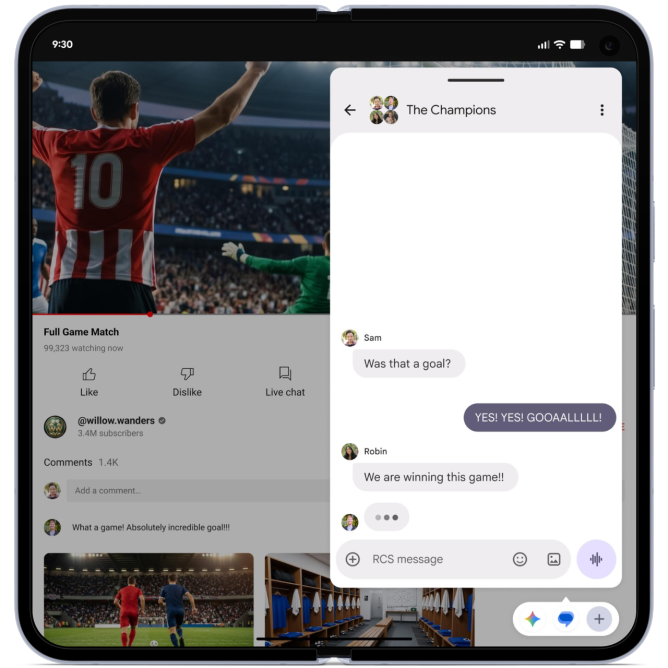
Android 17 also introduces a new interface feature called the “bubble bar.” This tool allows users to organize and access recent apps in floating bubbles at the bottom of the screen. The goal is to make switching between apps faster and improve multitasking for everyday use.
For content creators and social media users, Android 17 adds a dual recording feature that lets users capture video from both the selfie camera and screen at the same time. This makes it easier to produce reaction videos and content for platforms like TikTok, YouTube, and Instagram.
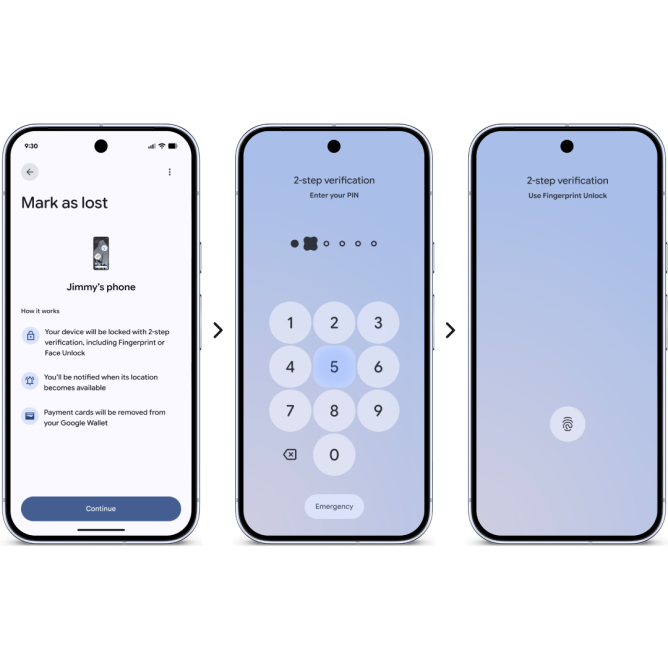
Security and parental control tools have also been upgraded. The update introduces a “Mark as Lost” option in Find Hub, along with Live Threat Detection and stronger privacy controls. Parents can now set screen time limits and content filters using a PIN, without needing to link a Google account.
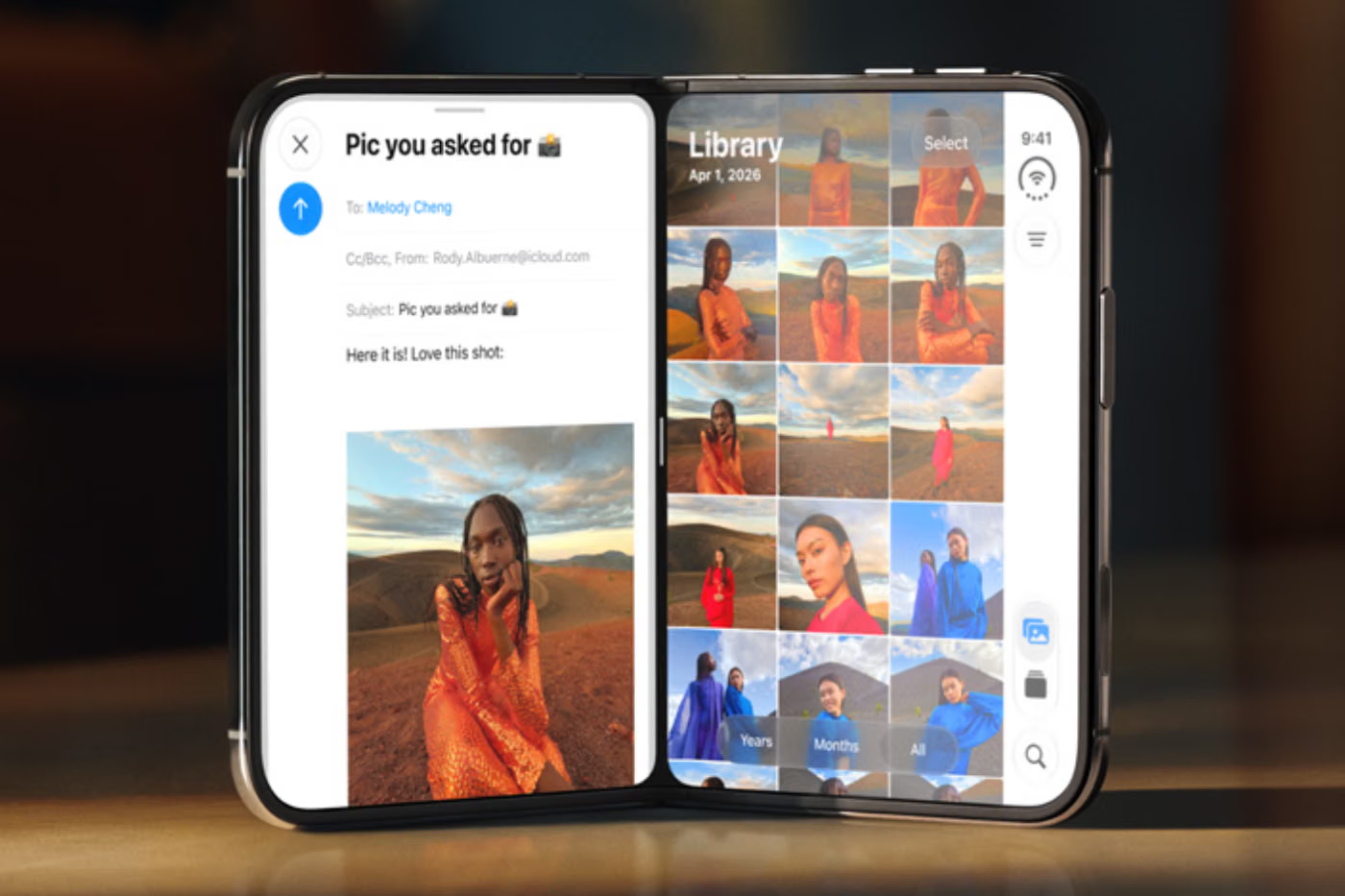
A new foldable gaming mode has also been added, offering a split 50/50 layout with a dynamic on-screen gamepad designed for better mobile gameplay on larger or foldable devices.

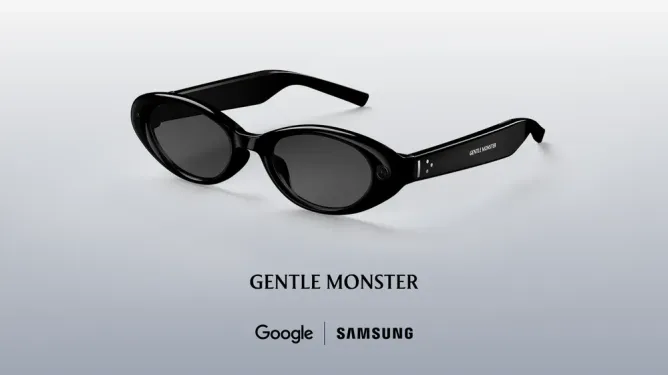
Wear OS 7 is also receiving major upgrades. Smartwatches can now display live updates from phone apps, while also working more smoothly with upcoming Google AI glasses and other connected devices like wireless headphones.
Later this year, Wear OS will gain more Gemini-powered intelligence features, including tools that allow users to create custom widgets simply by describing them. The system will also introduce “Personal Intelligence,” which connects Google apps and chat history to deliver more personalized suggestions and actions.
Google also claims battery life improvements of up to 10 percent, alongside new automation features that can handle multiple steps automatically, reducing the need for manual input across tasks and apps.