
Cybersecurity incidents in 2026 have already shown how wide and damaging digital attacks can be. Governments, hospitals, schools, and major corporations have all been affected. Many of these attacks are not just about stealing data anymore but also about causing real-world disruption and instability.
Attacks on critical infrastructure
One of the biggest concerns this year is the growing number of attacks on essential services like water and electricity systems. Several European countries have reported cyberattacks on power plants and water facilities. In some cases, systems were damaged or forced offline.
Some of these incidents have been linked to state-backed hackers. Poland, Sweden, and Norway all reported disruptions, including attacks on water treatment and energy infrastructure. More recently, warnings have grown about possible targeting of similar systems in the United States, especially smaller private utilities with weaker protection.
Iran-linked destructive attacks
Cyber activity linked to Iranian hackers has also escalated. In one major case, a U.S. medical technology company, Stryker, suffered a large-scale attack where tens of thousands of employee devices were remotely wiped.
This caused serious operational delays and financial impact. Experts say this marks a shift in tactics, with some groups moving away from spying and toward more destructive attacks meant to cause immediate damage.
Large-scale corporate hacking campaigns
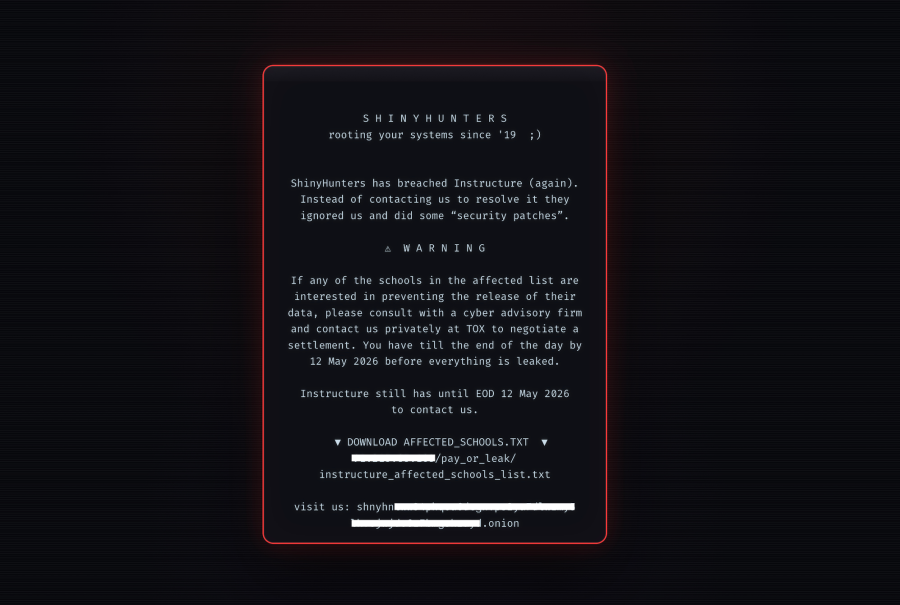
A hacking group known as ShinyHunters has continued targeting companies using social engineering. Instead of breaking systems directly, they trick employees into giving access.
One major victim was education company Instructure, which runs the Canvas learning platform used by millions of students. Hackers stole personal data and later disrupted access during exam periods. The group has also been linked to breaches affecting millions of records in other industries, including telecom and travel.
Supply chain and open-source risks
Another major trend is attacks on software supply chains. Hackers have compromised widely used tools and platforms, including open-source security software and developer tools.
Once infected, these tools spread malware to companies that use them automatically. This has affected major tech firms and even AI-related companies. Because many organizations rely on shared software, one breach can spread across many systems at once.
Government and intelligence systems breached
The FBI confirmed a major security incident after one of its surveillance systems was compromised. Reports suggest sensitive information tied to monitoring targets may have been exposed.
Authorities believe the attack may have been carried out by foreign state-linked hackers. The breach raised concerns because it involved systems connected to national security investigations.
Corporate downtime and disruption
Large companies have also suffered major operational damage. Toy company Hasbro was hit by a cyberattack that left parts of its systems offline for weeks.
The company struggled to restore services, affecting its websites and operations. While details remain limited, the disruption shows how even non-tech companies can suffer long-lasting damage from cyber incidents.
Massive identity data leaks
There has also been a rise in leaks involving passports, driver’s licenses, and other identity documents. Over two million records were exposed through poorly secured databases in industries like travel, finance, and public services.
These leaks are especially concerning because identity documents are often used for online verification. Once stolen, they can be misused for fraud, identity theft, and account takeovers.
Overall, 2026 has already shown a clear pattern. Cyberattacks are becoming more frequent, more destructive, and more connected to real-world systems. From governments to everyday services, no sector appears fully safe.