
Apple’s long-anticipated foldable iPhone may be closer to reality than previously thought, following discoveries in the iOS 27 developer beta. The findings, reportedly uncovered by researcher @M1Astra on X, include multiple system-level references that appear to describe hardware behavior linked to a folding display. If accurate, this would be one of the strongest indications yet that Apple is actively preparing a foldable device for release.
Even though Apple has not officially confirmed any foldable product, the iOS 27 code contains several technical terms that stand out. These include “foldState,” “mechanicalAngleDegrees,” “angleDegrees,” and “MGGetLogicalDeviceDisplayCount.” Taken together, these suggest the operating system is designed to recognize whether a device is folded, how far it is opened, and how many active display states are being used. This type of system tracking is typically required for foldable devices, which rely on precise hinge and screen positioning data to manage user interaction smoothly.
The presence of these references strongly points to deeper integration between iOS 27 and a potential new hardware category. It also implies that Apple may be aligning its next-generation operating system with a foldable form factor that could debut alongside the next iPhone lineup. Since iOS 27 was revealed at WWDC, its early inclusion of foldable-related logic suggests Apple may already be testing internal prototypes or preparing developer support ahead of launch.
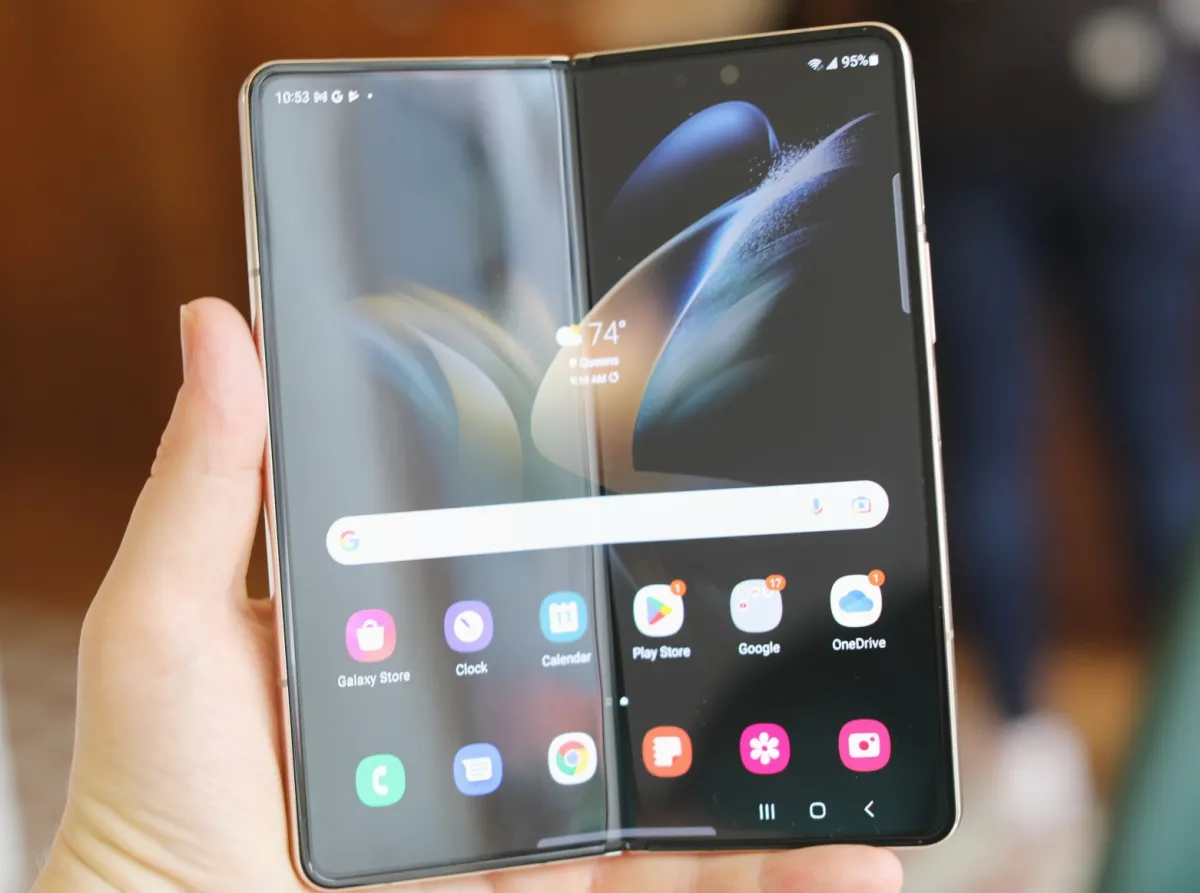
Apple’s entry into the foldable market would place it directly against companies like Samsung, which has spent several years refining foldable smartphones. Competitors have already established multiple generations of foldable devices, focusing on improving durability, hinge design, and screen crease reduction. Apple, however, is expected to take a more cautious approach, prioritizing long-term reliability and software optimization before introducing its own version.
One of the biggest questions surrounding a potential Apple foldable is how thin and portable it can be. While foldable phones offer larger screens, they often come with added bulk, which can affect everyday usability. Apple has consistently focused on reducing device thickness across its product line, and recent hardware decisions suggest that trend is continuing.
The company’s iPhone Air, introduced last year, measures just 5.6 millimeters thick, making it one of Apple’s slimmest smartphones to date. If Apple were to design a foldable using similar engineering principles, a dual-screen layout could theoretically remain slimmer than many current competitors. For comparison, stacking two iPhone Air–level displays would result in a device around 11.2 millimeters thick, which could still be competitive in today’s foldable market.
Beyond hardware, software will likely play an even bigger role in Apple’s success in this category. A foldable iPhone would require iOS to seamlessly transition between folded and unfolded modes, adjusting apps, layouts, and multitasking behavior in real time. The references found in iOS 27 suggest Apple may already be building this adaptive experience into the operating system from the ground up.
While no official announcement has been made, the timing of these leaks, combined with Apple’s usual September hardware cycle, has fueled speculation that a foldable iPhone could finally be approaching its debut. For now, the evidence remains indirect, but the level of detail in iOS 27 hints that Apple is no longer ignoring the foldable category, and may be preparing to enter it on its own terms.