
Apple has approved Poke, a startup AI assistant, to operate on its Messages for Business platform, making it the first AI agent to receive access to the system. The move marks a major shift for a platform that was previously limited to traditional businesses like airlines, hotels, and retailers communicating with customers through iMessage.
Messages for Business was originally designed to let companies offer customer support, bookings, and updates inside Apple’s messaging app. Until now, it had not supported independent AI agents acting as standalone services.
Poke, launched in March, is designed to make AI feel as simple as sending a text message. Instead of using complex tools or technical systems, users can chat with the AI directly through messaging apps to get help with everyday tasks.
The assistant can handle things like daily planning, managing calendars, tracking fitness goals, controlling smart home devices, and editing photos. According to the company, Poke has already processed around 100 million messages across SMS, Telegram, and WhatsApp in select regions.
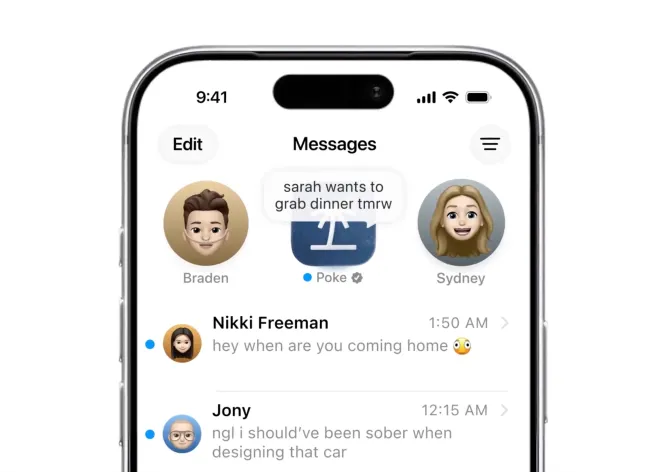
With Apple’s approval, Poke will now also work through iMessage, expanding its reach to Apple users globally.
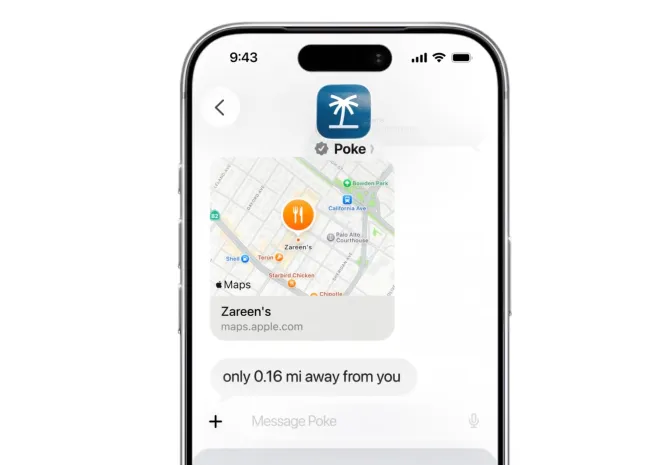
Unlike a typical consumer app, Messages for Business does not function as a standalone download. Instead, it allows users to communicate directly with services inside iMessage, creating a structured chat-based experience for support and requests. Poke fits into this system by responding to user questions and commands entirely through text.
The approval comes shortly before Apple’s Worldwide Developers Conference, where the company is widely expected to introduce new AI features, including an upgraded version of Siri and expanded tools for developers. There are also rumors that Apple may eventually open its ecosystem further to AI agents.
For Poke, integration into Apple’s system also introduces a new business model. The startup will pay Apple on a per-user basis for access to the platform. While exact pricing has not been revealed, the company says it is lower than similar fees charged by competitors like Meta Platforms for AI integrations.
This pricing structure could become an important revenue stream for Apple if adoption grows, while also adding new costs for AI startups scaling across messaging platforms.
According to Poke co-founder Marvin von Hagen, Apple required the company to meet strict standards before approval. These included clear labeling of the AI system, support for live human assistance when needed, and adjustments to the user interface to match Apple’s design rules.
For example, Poke must display link previews instead of raw URLs inside iMessage and follow Apple’s style guidelines for buttons and chat elements.
Von Hagen noted that the approval process took several months and may be required for any other AI agents hoping to join the platform in the future. He added that Apple’s decision to approve Poke first came down to trust and alignment in product quality and safety standards.
“It was also just important that we were very aligned in terms of the positioning of the company,” he said, adding that many AI products today focus on growth over quality. “We care about quality, we care to have a brand that signals trust,” he said.
Poke’s arrival on iMessage comes as Apple continues expanding its AI strategy. The company is expected to reveal more details about its AI direction at WWDC, though it has not confirmed any announcements related specifically to Messages for Business.
The startup, backed by investors including Spark Capital and General Catalyst, recently raised an additional $10 million, bringing its post-money valuation to $300 million.