
YouTube is taking another step into AI-powered shopping by expanding its “Ask YouTube” feature into a more useful shopping companion.
The company announced the update during its Made On YouTube event, revealing that the AI tool will soon do more than help users find information in videos.
“Ask YouTube” originally launched as an experiment designed to make searching the platform feel more like having a conversation. Instead of relying on short keywords, users can type detailed questions and describe exactly what they are looking for.
The system can then search through YouTube’s huge library and bring together relevant content, including both Shorts and longer videos.
For example, someone planning a trip could ask for a detailed travel plan, while another user could request a series of videos to help them learn a new skill.
The tool can also be used to discover recommendations around specific interests, making it easier to move from a simple search to a more detailed exploration of a topic.
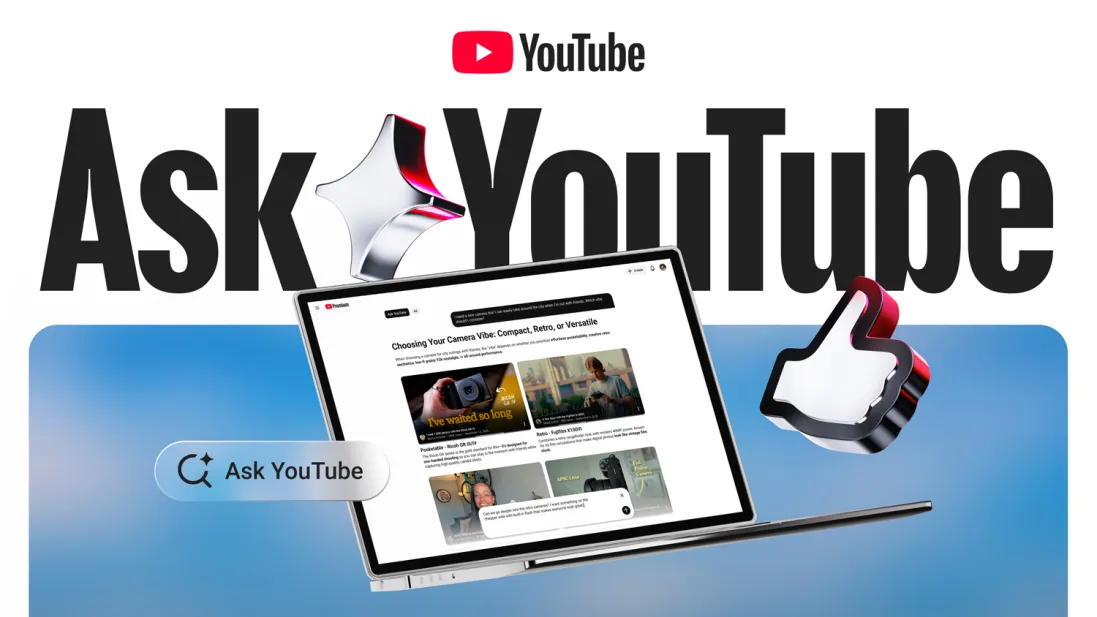
YouTube is now adding shopping features to that experience, when users search for a particular product, Ask YouTube will be able to organize relevant recommendations and present information in a format that makes different options easier to compare.
The company says users could see comparison tables containing details about products, including different features or categories based on what matters most to them.
That could make it easier for someone researching a new phone, laptop, camera, beauty product or other item to compare several choices without having to open dozens of separate videos.
The shopping experience will also extend beyond the initial search. Users will be able to ask additional questions directly from a video's watch page, allowing them to continue researching without leaving the content they are already watching.
The move builds on the way many YouTube users already shop. People frequently turn to creators for product reviews, demonstrations and personal recommendations before deciding what to buy.
YouTube says viewers often place a high level of trust in creators when learning about products, giving the platform an opportunity to connect video discovery with shopping research.
The growing use of Ask YouTube appears to be encouraging the company to expand the feature further.
More than 140 million people used Ask YouTube to explore videos during June, according to the company. That represents an increase of more than 500% compared with December.
The rapid growth suggests that viewers are increasingly using conversational tools to get more information from the videos they watch rather than simply searching for individual pieces of content.
YouTube says the technology behind this growth includes a custom Gemini model designed to understand complicated viewer questions and identify the specific part of a video that can answer them.
“Behind that growth is a custom Gemini model that maps the viewer’s most complex questions to the exact second that the video provides the answer, turning a passive search into an instant, meaningful connection with the video and with the creator,” explained Emily Moxley, VP of Product Management for Viewer AI at YouTube, in a briefing with reporters ahead of today’s event.
The shopping expansion could give YouTube another way to keep users engaged on the platform while they research products.
Instead of watching a review, leaving YouTube to search for specifications and then returning to another video, users could increasingly carry out several parts of that process through Ask YouTube.
The feature also gives creators a potentially larger role in the shopping journey, since their videos can become part of the information used to help viewers compare and understand products.
YouTube has not positioned Ask YouTube as a replacement for traditional shopping sites. Instead, the feature is being built around the platform’s existing strength in video discovery, creator recommendations and product-focused content.
As AI becomes more deeply integrated into search and shopping, YouTube’s latest update shows how the company is attempting to combine those experiences inside its video platform.