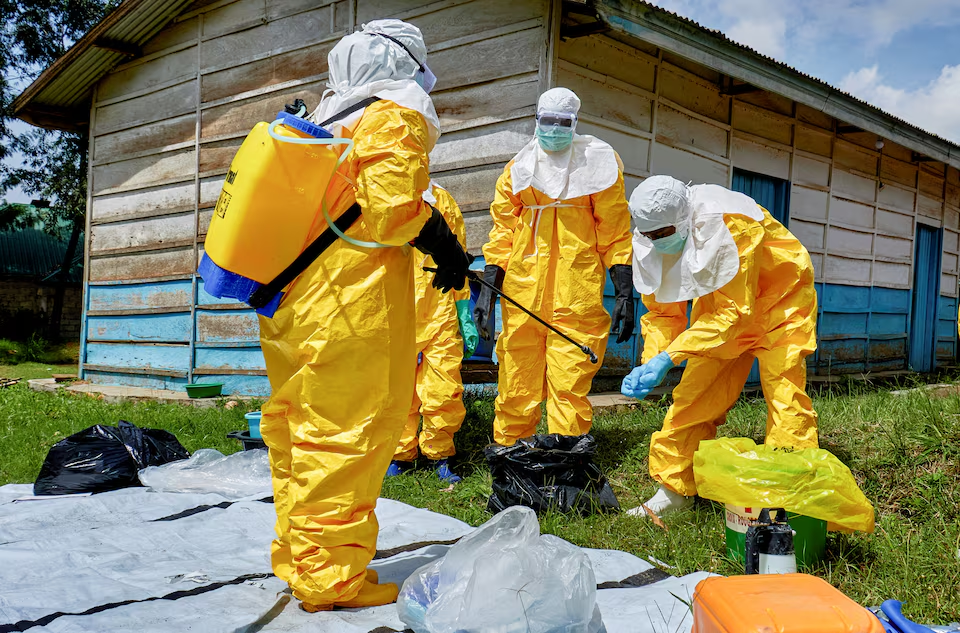

The World Health Organization (WHO) has raised its alert level, saying the chance of a nationwide Ebola outbreak in the Democratic Republic of Congo is now “very high.” The decision follows a growing number of confirmed and suspected cases linked to the Bundibugyo strain of the virus.
This strain is especially concerning because there is currently no approved vaccine or treatment available. WHO officials first declared the situation a public health emergency of international concern on Sunday.
According to WHO Director-General Tedros Adhanom Ghebreyesus, the updated assessment places the risk at “very high” within Congo, “high” across the region, and “low” globally.
So far, health authorities have reported 82 confirmed cases in Congo, along with 7 confirmed deaths, 177 suspected deaths, and nearly 750 suspected infections. Officials say the outbreak is still concentrated but expanding.
Uganda has also recorded two imported cases from Congo, including one death, but officials say containment efforts there are currently working. Measures such as aggressive contact tracing and restrictions on public gatherings have helped slow spread.
WHO emergency officials warn that the virus has strong potential for rapid transmission, which has changed how seriously the outbreak is being treated. However, global spread is still considered unlikely at this stage.
Health teams are also tracking international cases, including a U.S. national who was evacuated to Germany for treatment and another reported high-risk case transferred to the Czech Republic.
Researchers are now considering experimental treatments such as Obeldesivir, an antiviral drug originally developed for COVID-19. WHO scientists say it shows promise but must be used under strict medical controls.
Authorities continue to monitor the situation closely as efforts intensify to contain the outbreak before it expands further within the region.