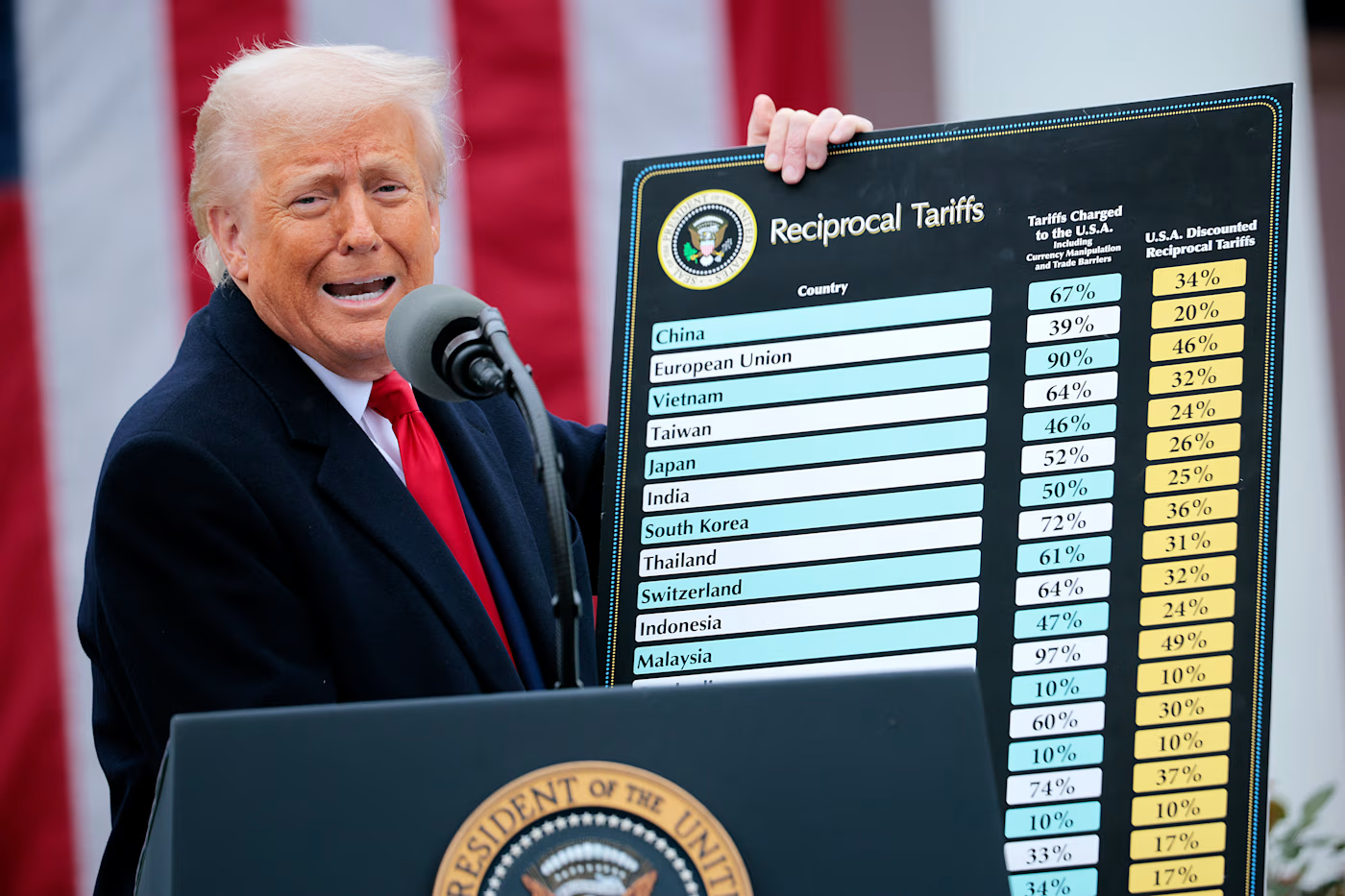

The United States has proposed a new round of tariffs targeting imports from 60 economies that it says have failed to adequately block goods produced with forced labor from entering their markets.
The proposal, announced by the Office of the U.S. Trade Representative (USTR), would impose additional duties of up to 12.5% on affected imports. U.S. officials argue that countries that do not effectively restrict forced labor-related goods create unfair competition for American workers and businesses.
Under the proposal, economies that have introduced full or partial bans on forced labor imports would face a 10% tariff, while countries that have not taken sufficient action could be hit with a 12.5% tariff. The measures would affect a wide range of U.S. trading partners, including China, the European Union, Japan, and several other major economies.
U.S. Trade Representative Jamieson Greer said the current situation forces American workers to compete against products that may be produced under unfair labor conditions. He added that the United States intends to take stronger action to address what it views as an uneven global trading environment.
The proposal also includes a separate mechanism for textile and apparel imports. Under this system, certain volumes of clothing and textile products from eligible economies could enter the United States at lower tariff rates. Public comments on the proposal will be accepted until July 6, with hearings scheduled for July 7.
The move comes after the U.S. Supreme Court struck down most of President Donald Trump's earlier "Liberation Day" tariffs, prompting the administration to look for alternative trade measures. Officials are now relying on Section 301 of the Trade Act of 1974, which allows the U.S. government to impose tariffs in response to foreign trade practices considered unfair.
The proposal has already drawn criticism from some trading partners. A spokesperson for the European Union described the latest tariff plans as unjustified and said the bloc remains committed to fulfilling existing trade commitments with Washington.
Trade experts believe the proposal could become an important factor in upcoming international trade negotiations. While some products, including certain electronics and artificial intelligence-related goods, may receive exemptions, the tariffs could still influence global supply chains and encourage companies to rethink where they manufacture products.
At the same time, the U.S. and China are continuing discussions on trade cooperation. Washington has begun gathering public feedback on the scope of a proposed U.S.-China Board of Trade, which could eventually lead to lower tariff rates in some sectors and improve economic cooperation between the world's two largest economies.
Although analysts expect China to respond cautiously in the short term, many believe tensions could rise again if additional tariffs are ultimately approved. The proposal remains under review, and final tariff rates could change following the public consultation process.