After more than ten years of development, Snap has officially introduced its first new consumer-focused augmented reality glasses in years. Called Specs, the wearable device was unveiled at a spatial AI convention in Long Beach, California, marking one of the company's most ambitious hardware launches to date.
The new smart glasses will be available for preorder starting June 16 with a refundable $200 deposit. Snap says shipments are expected to begin this fall in the United States, United Kingdom, and France. However, with a retail price of $2,195, the product enters the market as one of the most expensive consumer AR devices currently available.
While the price is significantly lower than Apple's Vision Pro headset, which starts at $3,500, it is still far more expensive than Meta's Ray-Ban smart glasses, which can cost as little as $350. That pricing difference means Specs will likely appeal first to technology enthusiasts, developers, and early adopters rather than mainstream consumers.
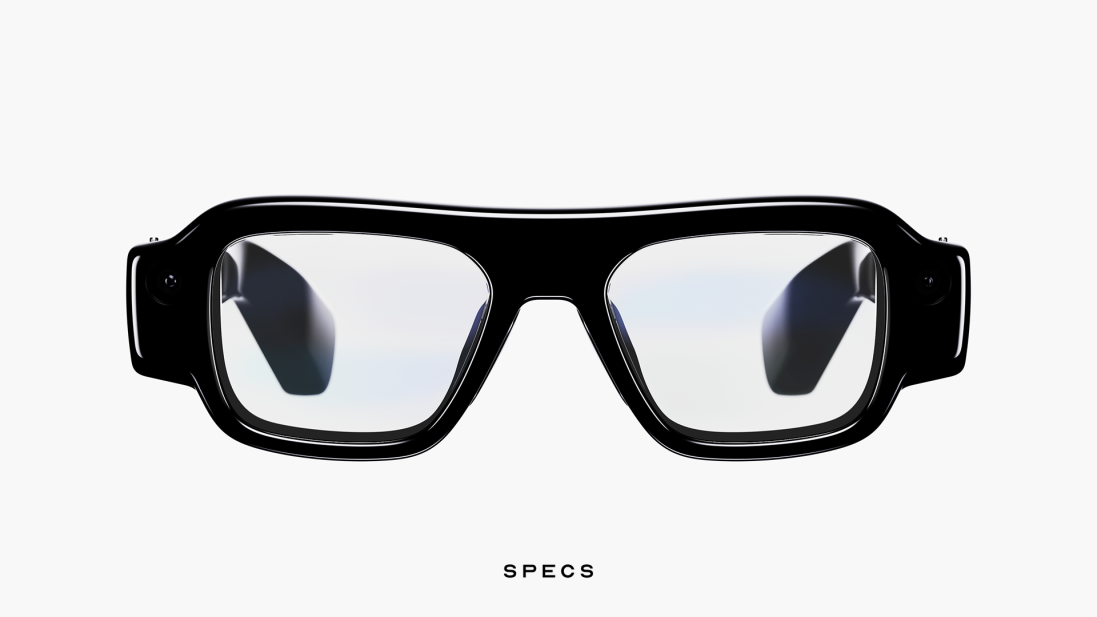
Visually, Specs resembles a traditional pair of glasses, although the frames are noticeably thicker than ordinary eyewear. Unlike some competing AR devices that rely on external battery packs or computing modules, Snap designed Specs as a fully self-contained product. All processing takes place directly inside the glasses, eliminating the need for cables, tethered devices, or wearable pucks.
Powering the device are two Qualcomm Snapdragon processors that handle graphics, AI functions, and augmented reality experiences. The glasses provide up to four hours of continuous use on a single charge, while an included charging case extends total battery life to approximately 20 hours.
One of the biggest selling points is the wide range of experiences available through the glasses. Users can play augmented reality games, watch videos on virtual displays, browse the internet, access productivity applications, check emails, and record point-of-view video footage. Snap says the display offers a 51-degree field of view and supports up to 16 million colors, creating a more immersive visual experience.
The company is also introducing a new multiplayer feature called EyeConnect. Instead of requiring users to manually pair devices, the feature allows two people wearing Specs to instantly connect and share AR experiences simply by making eye contact with one another. Snap believes this creates a more natural way to interact in augmented reality environments.
Artificial intelligence is another major focus. Specs includes contextual AI capabilities that can identify objects in the user's surroundings and provide information about them in real time. For example, users can look at an object, ask a question, and receive instant AI-generated answers directly through the glasses. This type of visual AI assistant is becoming a key battleground among technology companies as they race to build the next generation of wearable computing devices.
Snap is also emphasizing privacy. Similar to Meta's smart glasses, Specs includes a visible LED indicator that lights up whenever recording is active, helping people nearby know when video is being captured. Users will also have control over what information is stored, synced, or deleted from the device.
The glasses come in two frame sizes. The smaller version weighs 132 grams, while the larger model weighs 136 grams. Although considerably lighter than Apple's Vision Pro headset, they remain noticeably heavier than Meta's Ray-Ban smart glasses. Weight has been one of the biggest challenges facing AR hardware manufacturers, as companies try to balance powerful technology with everyday comfort.
According to Snap, significant improvements have been made since earlier prototypes. Previous versions were criticized for being bulky and generating heat during extended use. The latest design appears slimmer, lighter, and more energy-efficient, suggesting the company has made substantial progress toward creating a wearable device people can comfortably use for longer periods.
Still, Snap faces an uphill battle. The smart glasses market has become increasingly competitive, with Meta continuing to expand its Ray-Ban lineup and Google recently announcing its own AI-powered eyewear initiatives. At the same time, the industry has struggled to turn consumer curiosity into widespread adoption and consistent profits.
Even the largest players in the sector continue to spend billions of dollars developing AR and mixed-reality technologies without generating significant returns. Meta's Reality Labs division, for example, continues to post major losses despite the success of its Ray-Ban smart glasses.
For Snap, the launch of Specs represents more than just a new gadget. It is a test of whether years of research and investment can finally translate into a sustainable hardware business. The company has faced declining engagement in some markets, layoffs, and ongoing pressure to improve profitability. If Specs can attract developers, creators, and consumers alike, it could help position Snap as a serious player in the future of wearable computing.
Whether the glasses become a mainstream success remains uncertain, but their arrival marks an important step in the race to build the next generation of AI-powered devices that blend the digital and physical worlds.