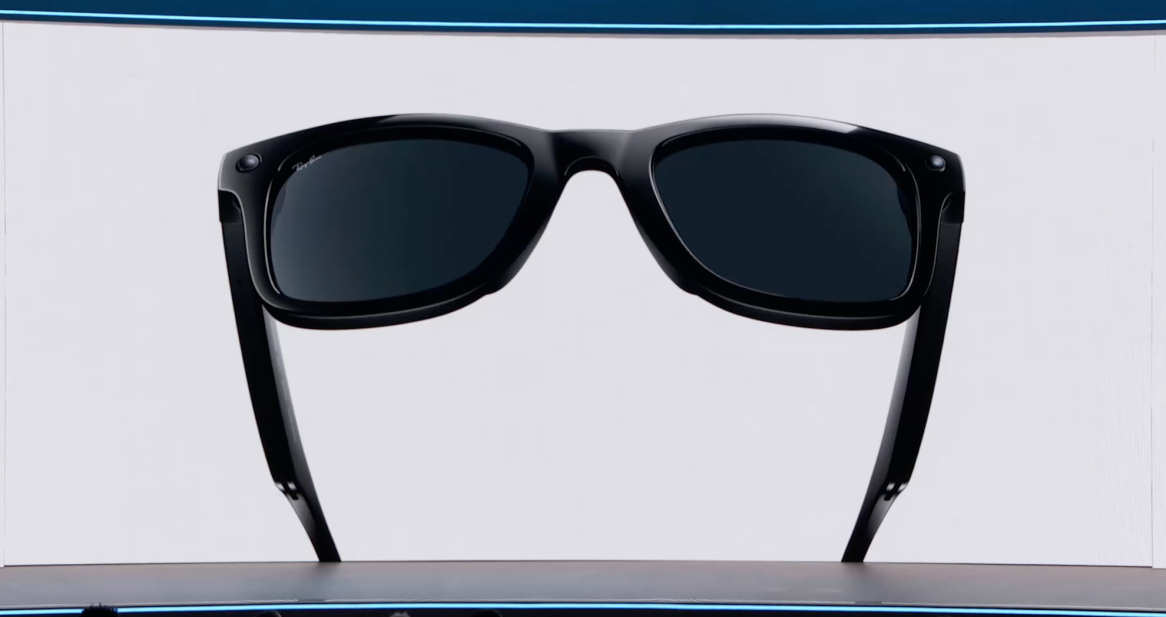

Meta has officially unveiled the Ray-Ban Meta Audio, its first AI-powered smart glasses designed without a camera. The announcement was made at the company’s Connect 2026 conference, introducing a new direction for Meta’s wearable technology.
Unlike Meta’s existing Ray-Ban smart glasses, the new models are built around audio rather than photography and video. Users will be able to listen to music and podcasts, make calls, translate conversations and interact with Meta’s AI assistant, Muse, directly through the glasses.
The glasses are being developed in partnership with EssilorLuxottica, the company behind Ray-Ban, and will start at $349. Meta is positioning them as a premium audio wearable that combines the familiarity of traditional glasses with wireless audio and AI-powered features.
Removing the camera also gives Meta a way to address one of the biggest concerns surrounding smart glasses: privacy. Camera-equipped AI glasses have faced criticism because they can potentially capture images or video of people nearby without their knowledge.
That concern has become more prominent as smart glasses have become more capable, with some critics even referring to camera-equipped models as “pervert glasses” because of fears around covert recording.
Meta has previously introduced safeguards to make recording more visible. The company modified its camera system so that the camera can be disabled if someone attempts to interfere with the LED indicator that signals when recording is taking place.
The Ray-Ban Meta Audio takes a more straightforward approach by eliminating the camera altogether. The glasses cannot take photos or record video, allowing Meta to concentrate on audio, communication and AI assistance without the same visual-recording concerns.
Meta also believes this could establish a broader category of smart eyewear that is not dependent on cameras. The company is effectively treating the glasses as a high-quality wireless audio device that happens to be worn on the face, while adding AI capabilities on top.
“Once you get used to high quality audio, it’s just a thing that you want all the time, right?” Meta CEO Mark Zuckerberg said during a keynote Wednesday, adding that the company after working on the idea realized it could design a whole new category of glasses around audio glasses.

The camera-free design also contributes to the glasses’ lightweight construction. The Ray-Ban Meta Audio weighs 43 grams and packs speakers, microphones, batteries and wireless connectivity into the frames.
Meta has designed the glasses with adjustable temple tips, interchangeable nose pads and overextension hinges to improve fit and flexibility. The company says the battery can last up to 12 hours on a single charge, while the charging case can provide up to 48 hours of total battery life.
Buyers will also have a range of designs to choose from. Meta says the glasses will be available in 23 frame-and-lens combinations, alongside two Ray-Ban styles introduced for the camera-free lineup.
The Clubmaster brings Ray-Ban’s familiar retro-inspired look, while the Burbank uses a rectangular frame with a more understated design. Prescription lenses will also be available for customers who require them.
Pre-orders for the Ray-Ban Meta Audio are scheduled to begin October 13.
Meta’s announcement was not limited to its camera-free glasses. The company also introduced the Ray-Ban Meta Gen 3, an updated version of its camera-equipped smart glasses.
The Gen 3 lineup will expand beyond the existing Wayfarer design with two additional styles, Aviator and Zena. The Zena features a more pronounced cat-eye shape, giving customers another option beyond the more traditional frames.
On the hardware side, the new camera-equipped glasses will feature a 12-megapixel camera capable of recording 3K Ultra HD video. They will also have a six-microphone array and offer up to nine hours of battery life.
Meta is expanding its selection of colors and frame options through its partnership with EssilorLuxottica. The company also announced a new collaboration with singer Lisa, following its earlier partnership with Kylie Jenner.
The broader rollout will see Meta’s AI glasses reach additional markets as the company continues expanding its wearable technology internationally.
Across both camera-equipped and camera-free models, Meta is making its Muse AI assistant a central part of the experience. Users will be able to interact with the assistant through their glasses, reducing the need to constantly reach for a smartphone for certain tasks.
Meta is also preparing a series of software updates for its AI glasses. Dolby Atmos Capture is designed to improve audio recording, while another feature will use multiple captured frames to help select the best photo.
Additional camera controls will give users more flexibility over how images are captured, including landscape and portrait options.
The company is also introducing hearing enhancements aimed at improving the experience for people with hearing loss. Other planned updates include more detailed AI responses, additional audio modes and greater control over how the glasses respond to users.
Privacy remains part of Meta’s software strategy as well. The company announced a feature called “private processing,” which it says is designed to prevent Meta from accessing user data in certain AI-processing scenarios.
Taken together, the announcements show Meta pursuing two different approaches to AI eyewear. The Ray-Ban Meta Audio removes the camera and concentrates on audio and AI, while the Gen 3 continues developing the camera-based experience with upgraded hardware and new software capabilities.
For people interested in wearable AI but uncomfortable with the idea of having a camera on their glasses, the camera-free model offers an alternative that keeps the audio and assistant features without visual recording.
The Ray-Ban Meta Audio starts at $349, with pre-orders opening October 13.