
Tensions across the Middle East intensified after the United States launched military strikes on Iranian targets, triggering a wave of defensive responses across several Gulf nations including Jordan, Bahrain, and Kuwait. The developments mark one of the most serious escalations in the region in recent months, with multiple air defense systems activated within hours of one another.
Jordan’s military confirmed it intercepted five Iranian missiles during the incident, according to state media reports, while Bahrain issued emergency alerts and activated its air defense systems in response to suspected incoming aerial threats. Kuwait also reported activating its defensive network to intercept what officials described as “hostile aerial targets,” reflecting widespread concern over the reach of the strikes.
U.S. Central Command said the operation was carried out following a direct trigger involving an American military asset in the region. The command stated:
“The ‘self-defense strikes’ are ‘a proportional response to unjustified Iranian aggression,’ Centcom said in an X post.”
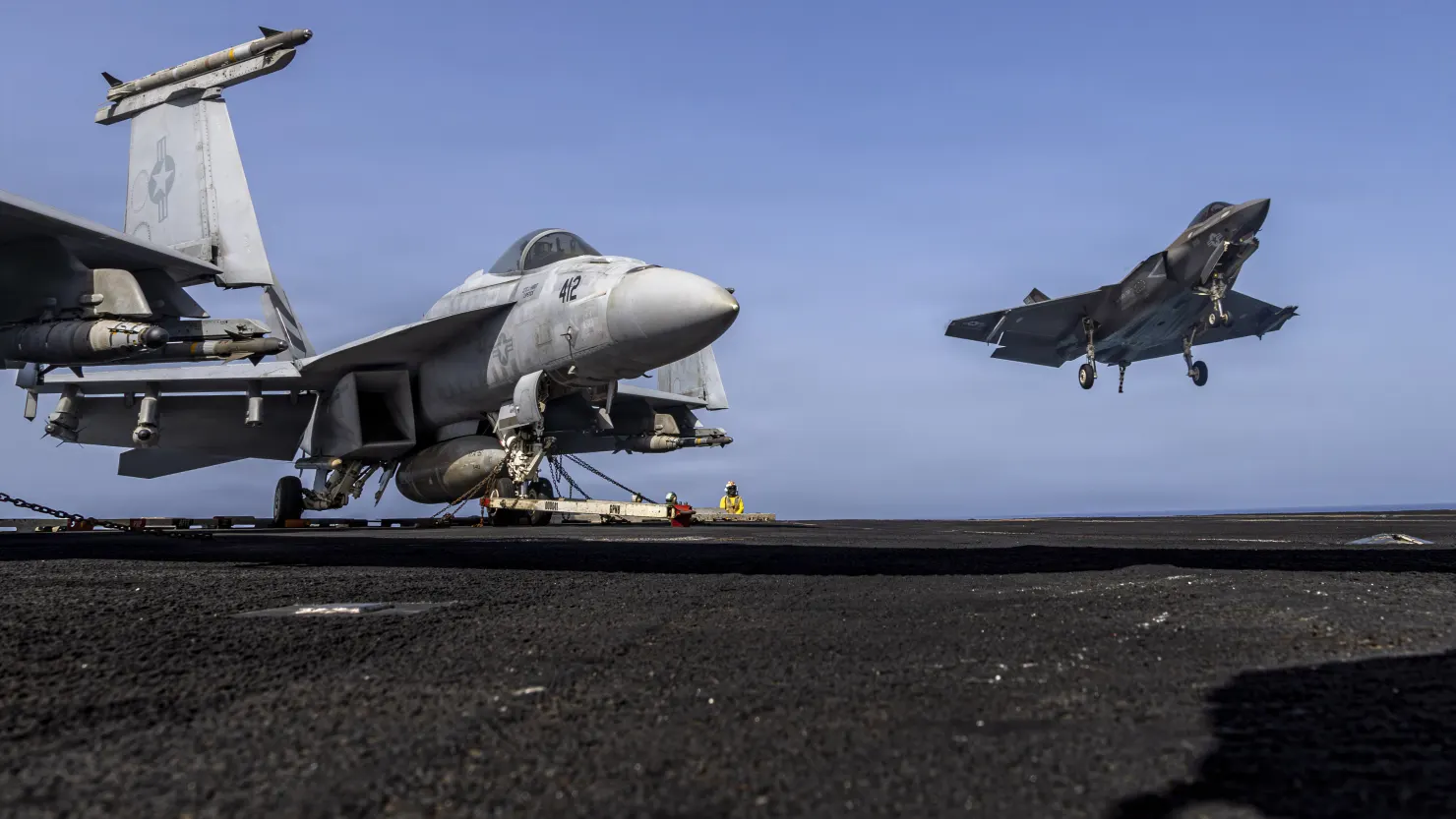
CENTCOM further detailed the scope of the operation, saying it targeted key Iranian military infrastructure linked to surveillance and air defense operations near critical maritime routes. According to its statement, “In a post later on Tuesday stateside, Centcom said that it had completed its military action, having hit Iranian air defense, ground control stations, and surveillance radar sites near the Strait of Hormuz.”
In Bahrain, defense authorities emphasized that Iranian missile and drone activity continued to pose a direct risk to civilians. Officials stated:
“The air defence systems of the Bahrain Defence Force succeeded in intercepting and destroying Iranian aerial attacks,” it said in a post on X.
The confrontation has further strained already fragile diplomatic channels between Washington and Tehran. What was once a limited ceasefire framework now appears increasingly unstable, with repeated exchanges of force pushing both sides closer to broader conflict.
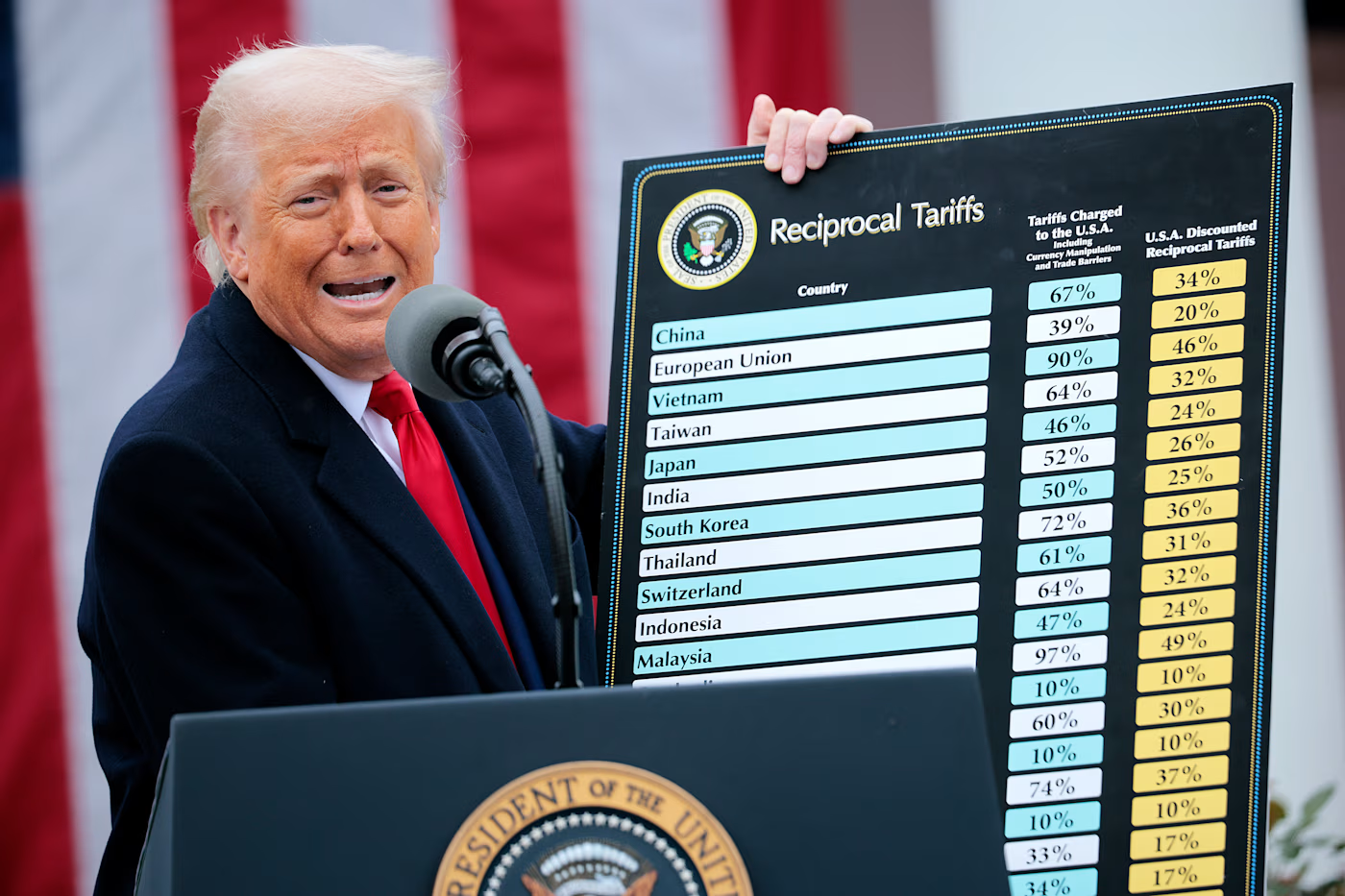
U.S. President Donald Trump confirmed that the strikes were ordered following an earlier incident involving a downed American helicopter near the Strait of Hormuz. He stated that the United States had no choice but to respond after the attack, while also maintaining that injured personnel were not involved in the incident.
“The two pilots involved in the attack ‘are safe and uninjured,’ Trump wrote in a Truth Social post. ‘Nevertheless, the United States must, of necessity, respond to this attack.’”
Iranian state media later reported explosions in areas surrounding the Strait of Hormuz but stopped short of confirming direct involvement in the helicopter incident. Tehran has repeatedly warned that foreign military presence near its borders increases the risk of unintended escalation, with officials stating that such forces are “at constant risk on account of their own human errors, plain accidents, or potentially being caught in crossfire,” according to Iranian Foreign Minister Abbas Araghchi.
Araghchi also added, “To reduce risk, best solution is for them to leave,” while stressing, “We prefer language of diplomacy but speak other languages too.”
Meanwhile, Iranian officials indicated that a response to U.S. actions is likely, though the nature and timing remain unclear. State media also dismissed claims of Iranian operational losses, arguing that U.S. reports overstate the effectiveness of the strikes.
As both sides exchange warnings and reinforce military readiness, the Strait of Hormuz region remains highly volatile, with global attention focused on whether diplomacy can still prevent a wider escalation.