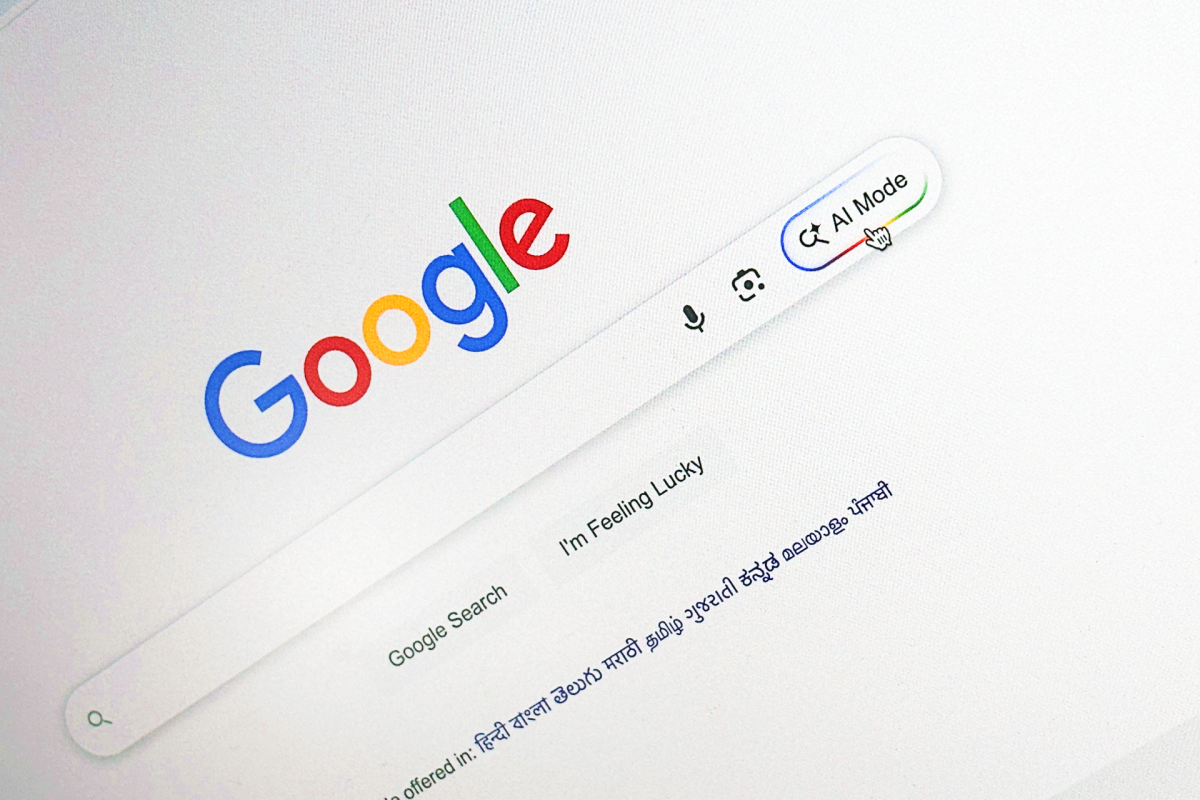

At its Google I/O conference, Google revealed a major transformation of Search, calling it the biggest change to the search experience in more than two decades. The traditional setup of typing a query and scrolling through blue links is being replaced with an AI-first system powered by its Gemini models.
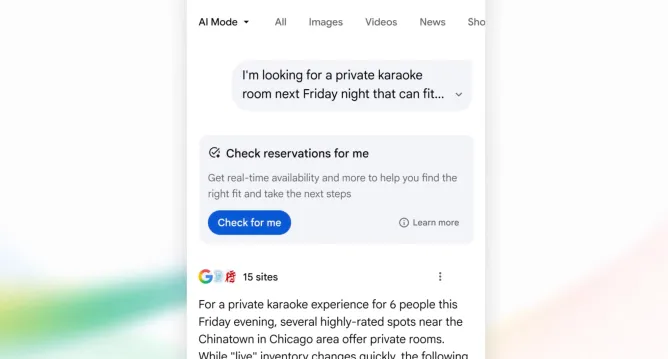
Instead of only showing a list of websites, Search will now often respond with conversational answers, interactive tools, and dynamic visual layouts. The search box itself is being redesigned to feel more natural, allowing users to type longer, more detailed questions without needing to structure them carefully. Google also introduced smarter query suggestions that help users refine what they are asking, making Search more like a guided conversation than a keyword tool.
A major part of the update is the introduction of AI “information agents.” These agents can actively monitor the web on a user’s behalf, track specific topics, and send updates when something changes. For example, someone could set an agent to follow a company’s stock performance, industry news, or even sports results. The system does not just notify users but also explains what is happening, summarizing trends and changes in real time.
Google said these agents are a natural evolution of older tools like Google Alerts, but far more advanced. Instead of simply flagging new results, they interpret information, compare updates, and deliver structured insights that are easier to understand. This turns Search into a system that can continuously work in the background rather than only responding when a user types something.
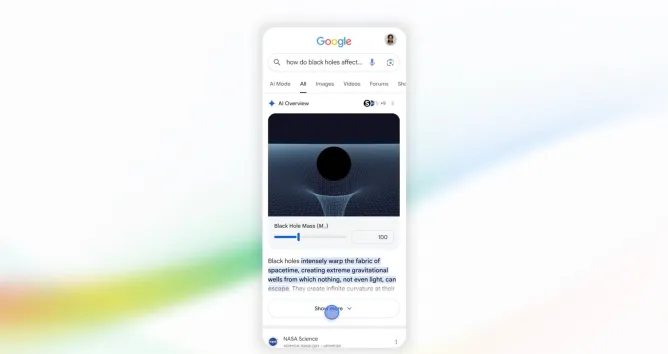
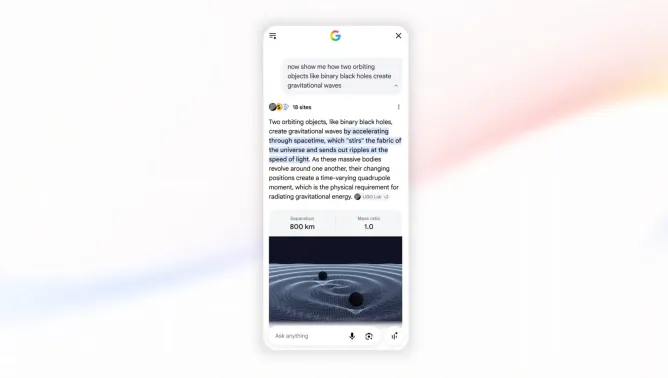
Another major shift is the arrival of “generative UI.” With this feature, Search can generate full interactive experiences instead of static results. A question about astronomy, for example, could produce animated visuals, diagrams, or interactive models that explain concepts in a more engaging way. Users can then ask follow-up questions and instantly receive new visuals or explanations tailored to their curiosity.
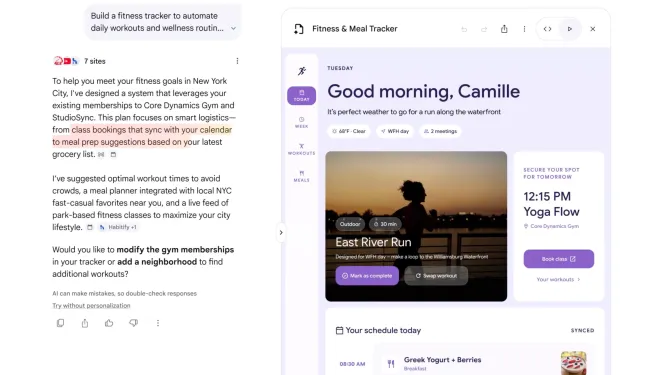
Google also introduced the ability to create “mini apps” directly inside Search using simple language commands. These personalized tools can be built on demand for specific needs. A user could generate a meal planner connected to their calendar, a travel organizer for upcoming trips, or a fitness tracker tailored to personal goals. These tools are designed to be reusable and adaptive, meaning they can update as new information becomes available.
The company emphasized that Search will increasingly shift from being a tool for finding links to a platform that helps users complete tasks. Instead of clicking through multiple websites, users may rely on AI systems inside Search to gather, process, and present the information directly.
Google says these new features are built with its DeepMind team and powered by the latest Gemini models, designed to be faster and more efficient while handling complex tasks. Some features will be available this summer, with advanced tools rolling out first to paid users before expanding more widely.
The company also acknowledged that this shift changes how people interact with the web. As Search becomes more capable of answering questions directly, traditional website traffic could decrease further, especially for publishers who rely on search referrals. However, Google says the goal is to make information more accessible and useful, not to replace the open web.
Overall, the update signals a major turning point. Search is no longer just about finding information, but about delegating tasks, generating tools, and interacting with AI systems that actively work alongside the user.