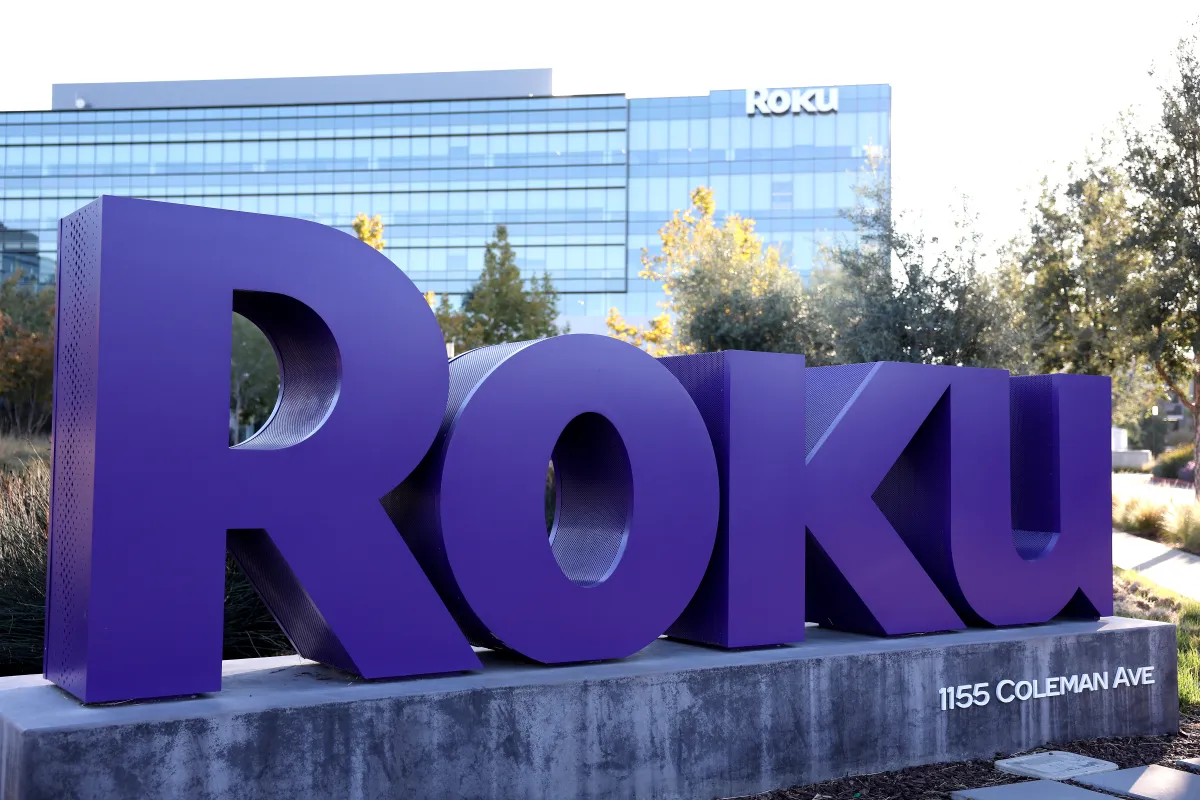

Fox has officially agreed to acquire streaming platform Roku in a deal valued at about $22 billion, combining stock and cash in one of the biggest media mergers in recent years. The transaction highlights how rapidly the television industry is shifting, as companies race to merge traditional broadcasting with digital streaming platforms.
According to Fox, the deal is built around two major forces reshaping entertainment: the continued dominance of live sports and news, and the fast expansion of streaming services. By bringing both under one structure, Fox believes it can better compete in a media landscape where audiences are increasingly spread across multiple platforms and devices.
Once completed, the combined company is expected to rank as the third-largest television business in the United States by total viewership. The merger brings together Fox’s major assets, including its news division, sports broadcasting, and free streaming service Tubi, with Roku’s widely used connected TV operating system that powers millions of smart TVs and streaming devices.
Roku plays a key role in the modern TV ecosystem because it acts as the gateway between viewers and streaming apps. By acquiring Roku, Fox gains direct access to that gateway, giving it control over a platform that sits at the center of how millions of households consume entertainment every day.
The deal also gives Fox access to Roku’s estimated 100 million connected households. This is expected to significantly improve Fox’s advertising capabilities, allowing the company to deliver more targeted ads and reduce its dependence on traditional cable and satellite distribution.
Fox executives say the acquisition is a strategic step toward dominating the growing connected TV market, often referred to as CTV. This segment includes advertising and subscriptions delivered through internet-connected televisions, and it has become one of the fastest-growing areas in media and tech.
Fox CEO Lachlan Murdoch described the deal as a turning point for the company’s future direction. He said the merger would reshape Fox into a more digital-focused business with stronger long-term growth potential.
“Roku pioneered streaming TV and scaled it into a leading CTV platform. Together, we intend to lead its next chapter,” Murdoch said in a press release, emphasizing the shared vision behind the acquisition.
Roku founder and CEO Anthony Wood also supported the deal, saying it would allow the company to grow faster and expand its innovation efforts. He noted that combining with Fox would help accelerate product development and improve services for both users and advertisers.
Industry analysts say the move reflects a broader trend of consolidation across the media sector, as traditional broadcasters seek scale in streaming. Fox has already been moving in this direction, acquiring Tubi in 2020 and launching its own direct-to-consumer platform, Fox One, to compete in the streaming space.
With streaming competition intensifying from companies like Netflix, Amazon, and YouTube, media firms are increasingly looking for ownership over both content and distribution. Fox’s acquisition of Roku gives it a rare combination of both: programming power and the technology that delivers it to viewers.
The deal has been approved by the boards of both companies and is expected to close in the first half of 2027. Fox has also secured a $12 billion loan to help finance the acquisition, reflecting the scale of investment required to execute the merger.