
Elon Musk is no longer a trillionaire.
Less than two weeks after making history as the first person ever to surpass a net worth of $1 trillion, the billionaire entrepreneur has seen his fortune fall below the milestone following a sharp pullback in the stock market.
According to the Bloomberg Billionaires Index, Musk's net worth stood at approximately $957 billion on Tuesday, down from more than $1.11 trillion less than 14 days earlier. While the drop is significant, it still leaves him comfortably ahead of every other billionaire on the planet.
The decline was driven largely by falling shares of SpaceX and Tesla, the two companies that make up the overwhelming majority of Musk's wealth. Investors have recently become more cautious about high-growth technology companies, particularly amid concerns surrounding artificial intelligence spending, rising infrastructure costs, and interest rate uncertainty.
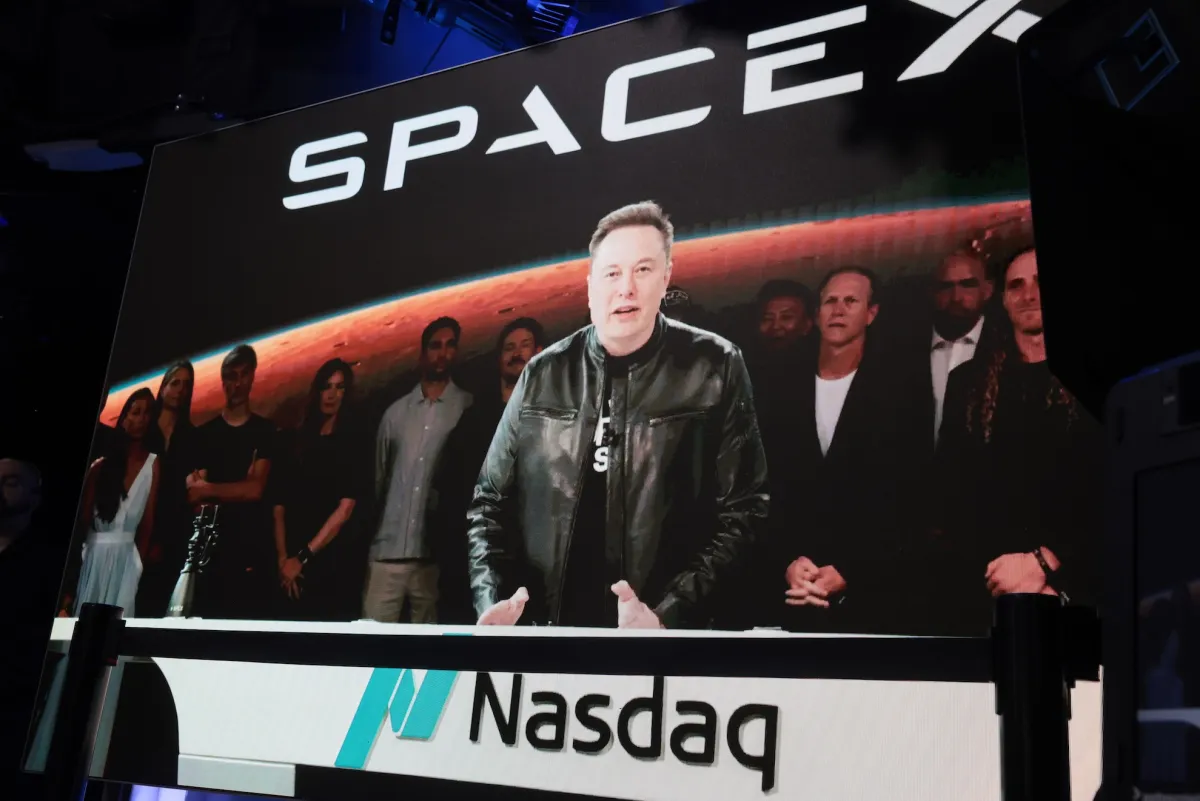
Musk first crossed the trillion-dollar threshold on June 12 following the highly anticipated public debut of SpaceX on the Nasdaq stock exchange. The rocket and satellite company entered the market at $135 per share before opening at $150, giving the company an initial valuation of roughly $1.77 trillion.
Because Musk owns around 42% of SpaceX, the company's public listing instantly added hundreds of billions of dollars to his paper fortune and pushed him into unprecedented financial territory.
Investor enthusiasm only grew in the days that followed. By June 16, SpaceX shares had surged to a peak of $225.64, helping Musk's net worth climb even higher to an estimated $1.32 trillion.
At that point, he was not only the world's richest person but also the first individual ever to reach a four-comma fortune.
However, the momentum proved short-lived.
A broader sell-off across the technology sector soon began weighing heavily on some of the market's most valuable companies. Concerns about whether massive AI investments will eventually generate enough profits triggered declines across the industry, affecting major players including Nvidia, Intel, AMD, Tesla, and SpaceX.
SpaceX experienced some of the steepest losses. Shares of the company fell more than 30% from their mid-June highs and dropped to around $156. One particularly volatile trading session on June 22 saw SpaceX lose roughly 16% of its value in a single day.
That decline alone reportedly erased around $240 billion from Musk's personal fortune.
The situation worsened when Tesla shares fell nearly 6% the following day. Although Tesla represents a smaller portion of Musk's wealth than SpaceX, the company's decline added further pressure to his overall net worth.
What makes Musk's fortune especially volatile is how concentrated it is. Unlike many wealthy investors who spread their assets across numerous industries and investments, most of Musk's wealth is tied directly to just two companies.
SpaceX alone accounts for nearly 80% of his total fortune, while Tesla represents most of the remainder. As a result, even relatively modest swings in either stock can produce dramatic changes in his net worth.
Market analysts say this type of volatility is not unusual after a major public offering, particularly for a company carrying such a massive valuation and high investor expectations.
"For a stock like SpaceX, a lot of decision making might have been emotional and based on the anticipation of huge leaps forward in space exploration and utilisation, but investing should be something treated with clear eyes and patience, even when such huge numbers are involved," said Danni Hewson, head of financial analysis at AJ Bell.
Despite losing trillionaire status, Musk's financial position remains extraordinary. His current fortune is still larger than the GDP of many countries and significantly ahead of other billionaires on global wealth rankings.
Analysts also note that the milestone may not be gone for long. Because his net worth remains close to the $1 trillion threshold, even a relatively small recovery in SpaceX shares could push him back above it.
Additional market attention is expected in late July when restrictions preventing company insiders from selling SpaceX shares begin to ease. Investors will be closely watching whether insiders choose to cash out or continue holding their stakes.
For now, Musk has stepped back below the trillion-dollar mark. But given the scale of his holdings and the volatility surrounding SpaceX, there is a strong possibility that the world's richest man could become the first person to enter and exit trillionaire status multiple times.
Whether the drop proves temporary or marks the beginning of a longer correction, Musk's brief stint as the world's first trillionaire has already secured a place in financial history.